The Best Cameras For Travel

When I’m packing for a trip, my camera is one of the first things that I tuck into a bag. Willingness to risk clothes being lost in a checked bag to fill a carry-on with camera gear is a true sign of the serious travel photographer, the sort of person to capture more than just a basic sunset photo. But choosing the camera that packs the most features in the smallest size can help memorialize that trip without risking the airline losing all of your underwear. The best cameras for travel find that happy medium between features and size.
As someone who was once literally left on an island without most of my luggage after the airline both lost and tore it in half, my camera gear is always packed in my carry-on. But I travel with a little less anxiety when I can also fit the must-haves like a change of clothes, medication, and something to read in that same carry-on bag.
In this guide, we’ve selected the best travel cameras for serious photographers, the options that skimp on size without skimping on features. The cameras that don’t cut back on features are the ones that pack in a full-frame sensor capable of capturing images in nearly any lighting condition. (If size is at a true premium, you can also check out our in-depth comparison of the best compact cameras.)
Why You Should Trust Us

The Phoblographer has been doing real-world photography gear tests longer than any other photography publication currently run. We also have the largest database of real-world lens reviews, amongst other things like straps, camera bags, lights, accessories, and more. Here’s why that matters:
- AI Can’t Do This Job: These days, other publications do roundups, sometimes using generative AI. That’s the same as a person researching products and then making a decision without actually trying it. All of our reviews and guides are written not just by humans but by working photographers — not AI. Computers don’t use cameras, so why would you trust AI to recommend cameras for you?
- Research and Practical Experience: Here at the Phoblographer, humans consult on what roundups to do with guidance from an editor. Then, a human goes through our database of reviews and selects the best products based on our own internal research. The human creating the roundup has practical experience with photography gear and will apply their knowledge of what’s best to the already human-based experience provided in our reviews.
- We Block AI Bots: The Phoblographer blocks indexing bots from reading our site, so what’s here can only be read here.
How we Test and Choose the Best Cameras for Travel
- The Phoblographer’s various product round-up features are done in-house. Our philosophy is simple: you wouldn’t get a Wagyu beef steak review from a lifelong vegetarian. And you wouldn’t get photography advice from someone who doesn’t touch the product. We only recommend gear we’ve fully reviewed in these roundups.
- If you’re wondering why your favorite product didn’t make the cut, there’s a chance it’s on another list. If we haven’t reviewed it, we won’t recommend it. This method keeps our lists packed with industry-leading knowledge. Some of our stories include affiliate links. If you buy something through one of these links, we may earn an affiliate commission.
- When we test lenses, we’ve got various things in mind. First off, we consider who might want to buy the lens and what they might do with it. With that in mind, we try to tackle at least three genres of photography with that lens in a variety of situations. If the lens has weather resistance, then we’ll test it accordingly with a weather-resistant camera. We also test the autofocus of the lens in continuous mode, single mode, with exposure preview effects, without those effects, and then with all the major image quality parameters. These days, no one really makes a bad lens — but some are far better than others.
- In this specific roundup, we’re basing our findings on the reviews that we’ve done. We’re choosing a favorite, but we’re also giving photographers a bunch of others that they might like, depending on how they shoot.
Our Choice Among the Best Cameras for Travel: Nikon Zf
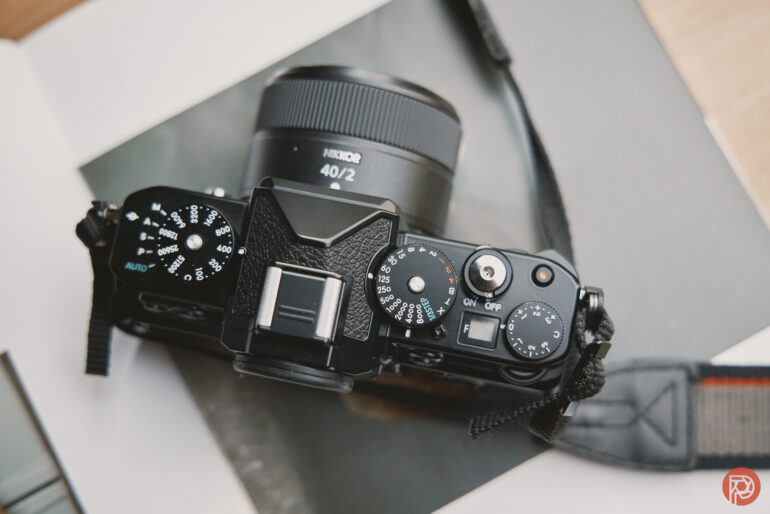
The Nikon Zf has a retro-inspired design that made us fall in love with the camera in a way that we really haven’t felt for some time. But, besides the obvious perk of good looks, the retro design also gives the Nikon Zf a smaller profile, as vintage cameras of the 70s and 80s never really had much of a hand grip. That allows the Nikon Zf to easily tuck into a bag, yet it also has a full-frame sensor, fast autofocus, and a fairly affordable price point. It also still packs in a viewfinder, which some compact mirrorless cameras try to skip out on.
In our Nikon Zf review, we state:
“There’s a lot to love about the Nikon Zf. We can talk about the image quality, then go into the retro ergonomics, and we can wax poetically for a long time about how the camera feels in your hand. It’s also very reliable to be able to do most of what you want. Of any Nikon camera you get, this might be the one that you adapt lenses onto the most. It’s a pleasurable experience that has to be experienced to be understood and that leaves you speechless because you’re in love with the camera each and every time you pick it up.”
Pros and Cons
Pros
- Exemplary high ISO output at 51,200.
- Fast autofocus
- This is the first camera that made using the touch screen to get the focusing point pretty simple when the camera is to my eye.
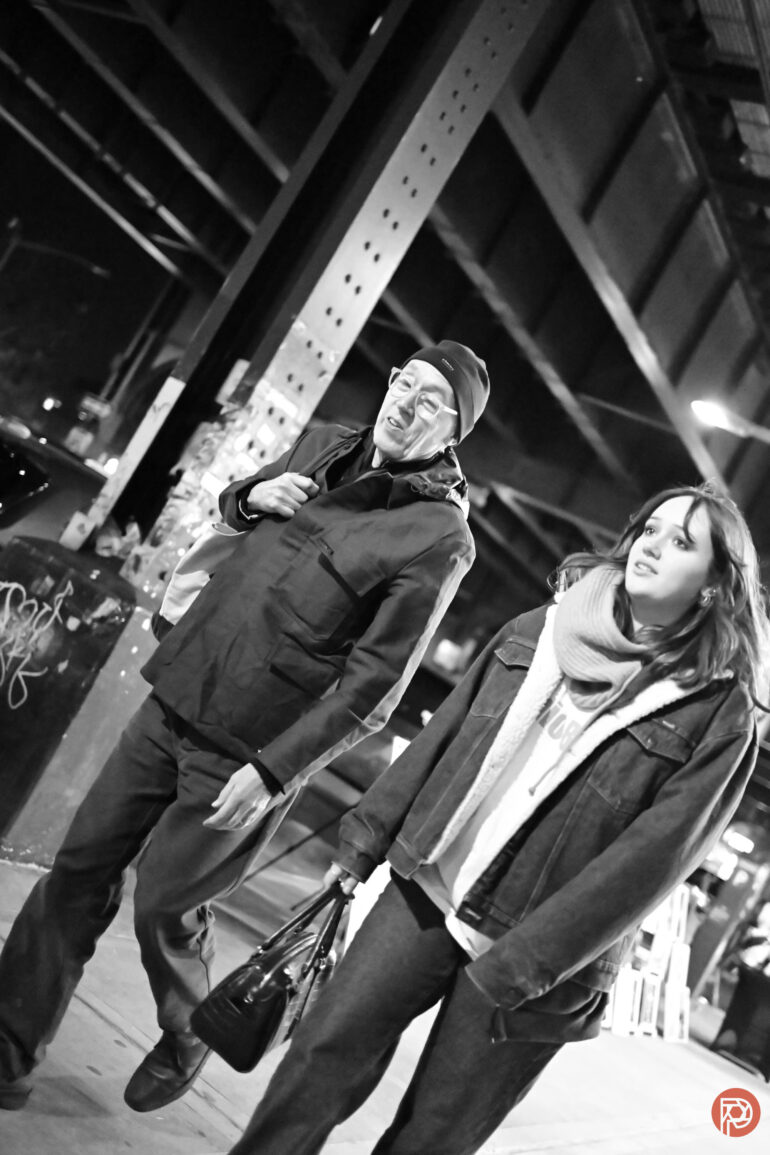
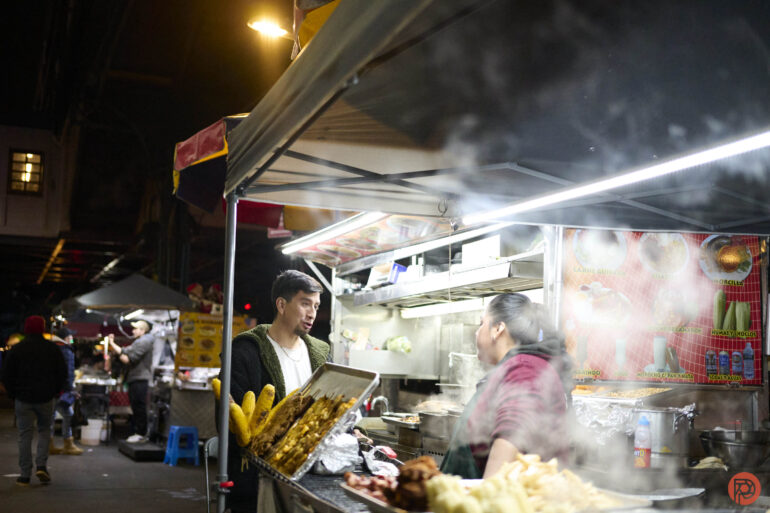
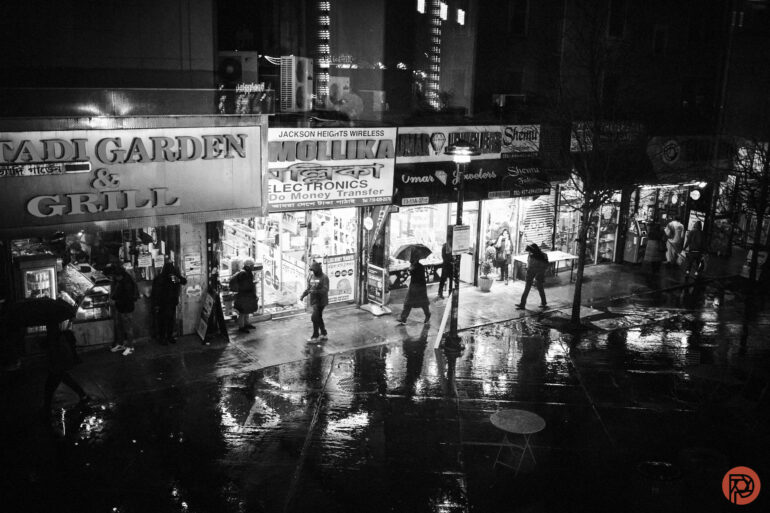
- Great for street photography with colors that make everyone fall in love with your images
- The best ergonomics I’ve ever felt on a Nikon camera
- Pretty affordable
Cons
- No sensor shield
- I still miss having a joystick or a D-pad that was shifted up higher.
- Autofocus with people of color in low light moving very quickly suffers.
- Image stabilization is good but still behind the Panasonic S5 II.





For Some Photographers, these Might be the Best Cameras for Travel
While the Nikon Zf’s mix of small, retro design and features make it a great option for travelers, it isn’t the only compact camera sporting a large sensor and big features. Here are some additional great options to consider for travel.
Panasonic Lumix S9: Best budget camera for travel photography

Rangefinder bodies tend to offer a smaller size without sacrificing image quality. That’s also true for the Panasonic S9, a slim camera that still manages to pack in a full-frame sensor. Despite the smaller size and reasonable price point, the S9 still packs in the high-end performance of models like the S5 II. The customizable colors through in-camera LUTs are one of the other key reasons we love Lumix cameras. While performance and image quality do not suffer, there are a few sacrifices to get the body down to that slimmer size, including axing the viewfinder and autofocus joystick. The S9 also lacks external flash capabilities (as the cold shoe is designed for things like constant lights), and it isn’t weather-sealed to keep shooting through the rain.
In our Panasonic S9 review, we state:
“The Panasonic S9 is the first camera I’ve wanted to bring with me everywhere, all the time, that isn’t a Leica, the Nikon Zf, the Canon G1X Mk III, or the Fujifilm X Pro 3. It starts with the stylish camera body and then extends into the solid performance. When autofocusing, street photography will be much better when you’re using focal lengths wider than 50mm just because of how things happen. In the hand, the camera will be much more comfortable than you think once you hold it correctly and use it with foresight. And most importantly, for some, it’s going to give you great photos when you combine it with the right LUTs.”


Sony A7c II: The best travel camera for beginners
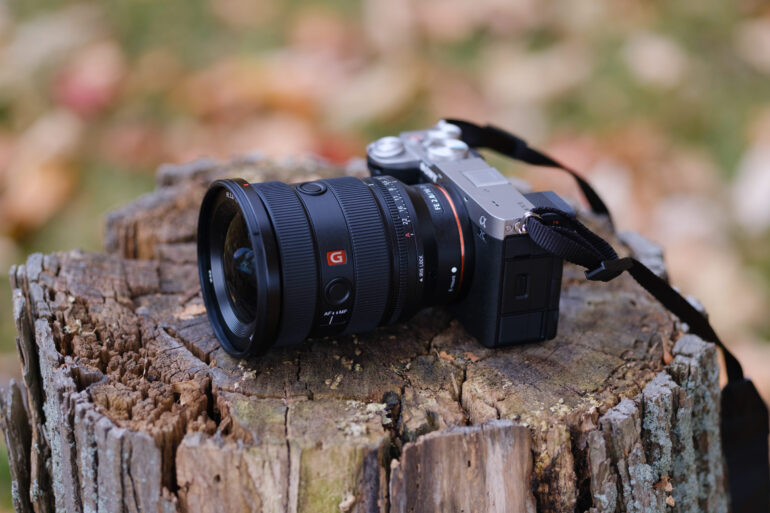
The Sony a7c II is both one of the brand’s most affordable full-frame mirrorless cameras and one of its smallest. Thanks to the rangefinder-style design, the a7c II is impressively small yet still manages to fit in a viewfinder and has a grip comfortable enough that travelers won’t regret going compact. Its size and price feel more like an APS-C camera, yet the a7c II packs in a full-frame sensor, plus solid stabilization and autofocus. The small size means it lacks an autofocus joystick and a second SD card slot, but this body has a lot to offer for the price. Along with being a solid budget option, it’s also beginner-friendly, giving new travel photographers room to grow.
In our Sony a7c II review, we said:
Any entry-level camera is bound to make a few sacrifices. But, sitting pretty at $2,200 for the body, the Sony a7c II delivers images that don’t look like they were shot on an entry-level camera. The image quality and ease of use are high points with this camera, as well as the rangefinder design and weather-sealing. And while the a7c II doesn’t deliver the near-perfect hit rate of Sony’s priciest sports models, it’s a pretty versatile camera to go from stationary portraits to action.


Leica Q3: The luxury travel camera
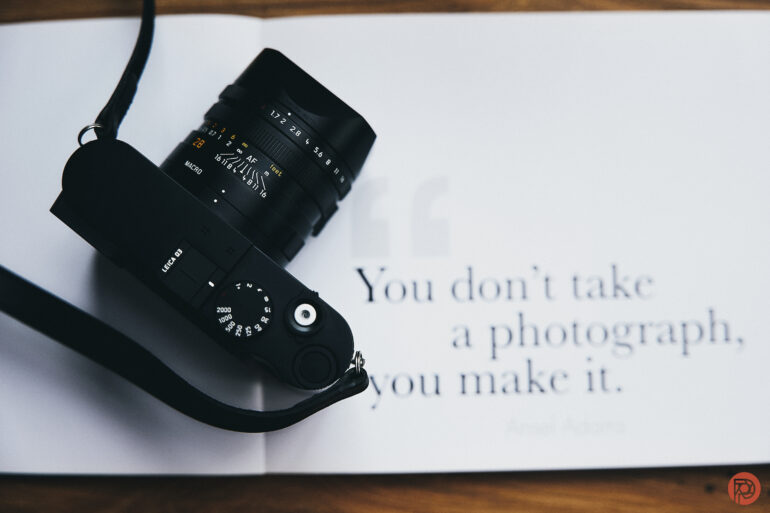
Despite Gen Z proving the value of compact cameras, there are still relatively few options designed for serious photographers, with Sony’s full-frame RX1R II now eight years old and Fujifilm’s X100 series hard to find in stores. The Leica Q3, however, offers a rare full-frame sensor tucked inside one of the most durable bodies on the market. And yes, it’s a fairly compact option for travel, with a built-in 28mm f1.7 lens. That’s an exceptionally rare combination that could perk the interest of the most serious travel photographers who need something truly compact that can also take a beating in a bag or keep shooting through the rain. There are two key downsides, however, the first being a slower performance and the second being a luxury price tag. The Q3 is an investment for sure, but it’s capable of capturing stunning images in a compact form factor, plus Leica cameras tend to keep more of their value on the used market than other brands.
In our Leica Q3 review, we said:
“While the ergonomics have changed little, the Leica Q3 has a long list of updates over the predecessor. The updated 60-megapixel sensor goes together with the built-in Summilux 28mm f1.7, like peanut butter and chocolate. The high resolution delivers details down to the eyelash level, while the lens captures butter bokeh that even pixel peepers will love. Of course, the Leica Q3 also has classic Leica colors and a slew of stellar color profiles for excellent JPEGs straight from the camera. RAW files, meanwhile, leave more than just wiggle room.”




Using this Guide to the Best Cameras for Travel
If you’re considering purchasing anything from this list, consider the following:
- All the product images and sample photos in these roundups are shot by our staff. In fact, we don’t talk about products at length in roundups like this unless we’ve done full reviews of them. But you can surely know that we’ve done all the research ourselves.
- We’d never recommend a product to you that we haven’t tested or that we really didn’t like. You can reference our linked reviews, for more information on this.
Tips on Choosing the Best Cameras for Travel
Choosing the best camera for travel will depend largely on where you are going and the type of photos you like to take while on the go. As you consider the different options, keep these tips in mind.
- Mirrorless cameras offer more versatility than fixed-lens compacts. Yes, they tend to be a little bigger, but there are a great number of compact pancake lenses that make a mirrorless camera almost as small as an advanced point-and-shoot. When you choose a mirrorless camera, you can adapt the body to the type of trip that you are taking. For example, you can pack a wide-angle lens when photographing the architecture of Paris but a telephoto wildlife lens when embarking on a safari.
- Lens choice matters when it comes to travel. Look for something compact and versatile. Pancake prime lenses are great for travel, though you may want to pack two, where you may only need one lens if you opt for a zoom.
- Consider the sort of traveling you like to do. If you travel to photograph wildlife, you’ll need a faster camera and larger lenses. If you like photographing landscapes, you won’t need the most expensive super fast camera — just a decent body with a good wide-angle lens.
- Weather sealing matters. If you still venture out in the rain or are heading to a beach or a desert with blowing sand, choose a model that offers weather sealing. Take it from someone whose camera literally broke at the Grand Canyon from a spec of sand—choosing a durable camera can up the price but is often worth it.
Picking the right Cameras for Travel for you

- What’s your budget?
- How will you use the product?
- What lighting situations are you in, and how will that affect what you’re doing? Our reviews hyperlinked in this article can help with that.
- Are you traveling a lot with it?
- Will you be using it in a situation that’s a bit rougher?
- Who else uses this product? How are they using it?
- What’s so appealing about this product that I can’t get from what I have already or something else?
- When will I really have time to use this product?
- Where will I bring this product?
- How will this product help bring me joy and joy in my photography?
link