I spent five years photographing lone trees around the world in the same way and was surprised by what I discovered
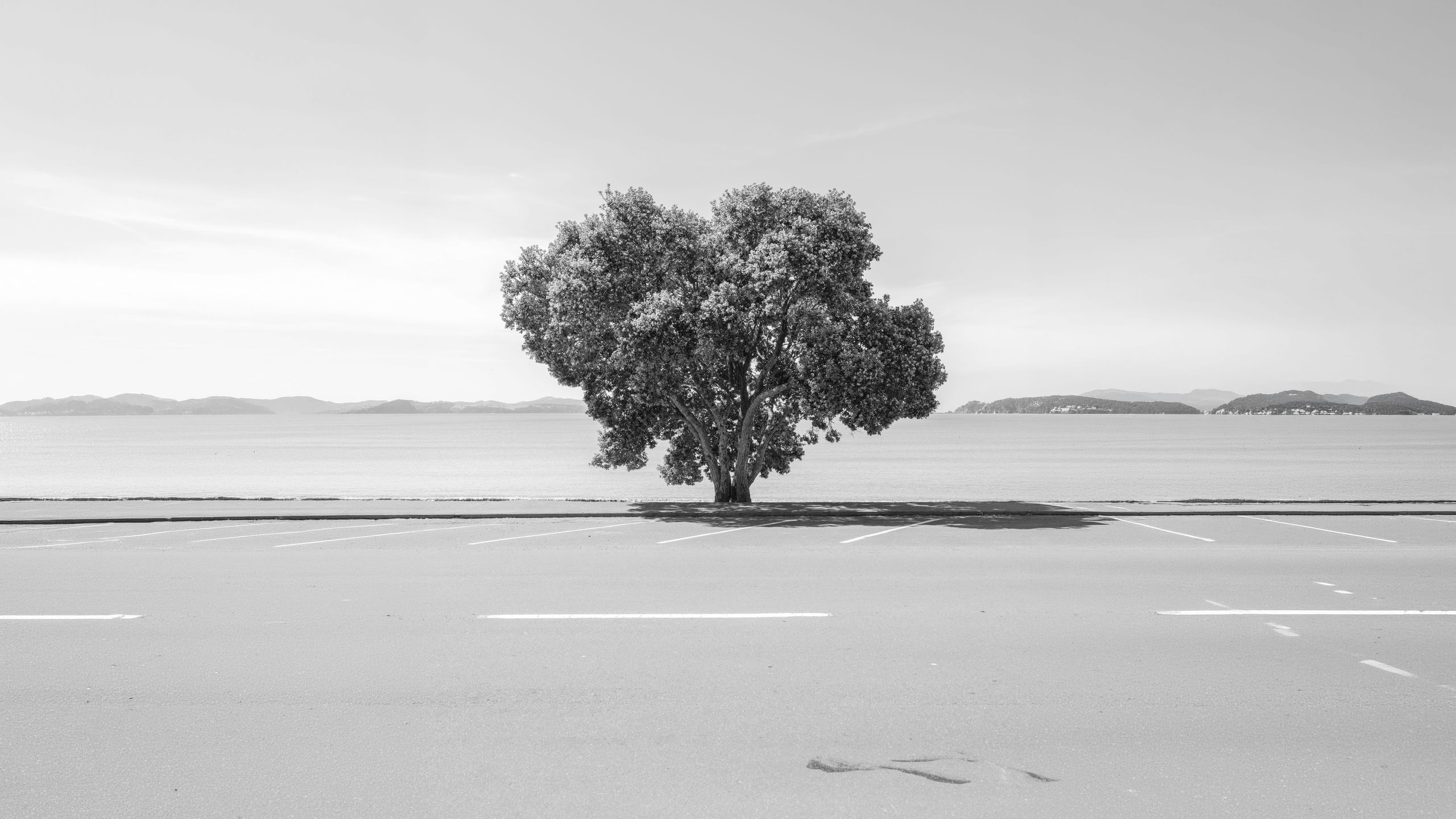
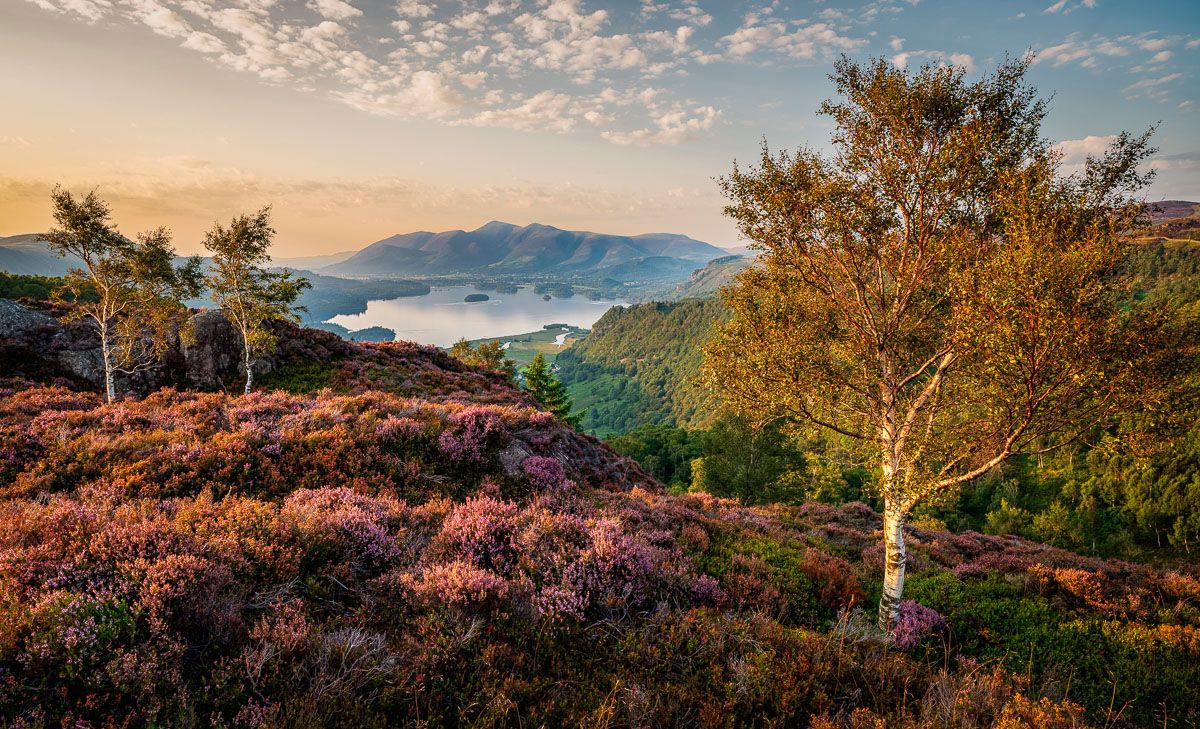
Over the past five years, I have been photographing lone trees while travelling around the world, gradually building a body of work shaped by repetition and constraint rather than novelty. The locations vary widely, from Iceland and Alaska to Japan, Tahiti and Papua New Guinea, but the approach remains consistent. One tree. Standing alone. Photographed in much the same way each time.
Most of these trees are unremarkable. They sit in car parks, on road verges, beside retail parks or on scraps of land left over after development. They are not famous or particularly beautiful. They are simply there, in a space where something else might once have been planned or to make a vista feel more ‘natural’.
The project is influenced, in part, by The New Topographics. This was a loose group of American photographers active in the 1970s, including Robert Adams, Lewis Baltz and Stephen Shore, who rejected romantic landscape traditions in favor of a cool, descriptive view of man-altered environments (definitely worth researching if you don’t know their work). Like them, I am interested in how nature appears once the drama is stripped away, and how it sits within environments shaped primarily by humans. The restrained, slightly deadpan and monochrome treatment is intentional. It’s an attempt to keep the focus on form and context.

Photographing these trees over time has changed how I think about our relationship with the natural world. We often talk about nature as something wild or separate, something to marvel at on Planet Earth, but these images suggest a more awkward reality. Nature is present, but managed. Allowed, but contained. The trees are rarely central to their surroundings. They exist on the edges, fitted in where possible. There is a certain loneliness to that. The isolation in the images reflects how we tend to organise space. Practicality first, aesthetics second, ecology somewhere much further down the list.
At the same time, the work is not intended as a warning or a lament. What stands out, after photographing dozens of these trees, is their persistence. They survive poor placement, bad soil and indifference. They just continue to grow, for the most part.
If the project has taught me anything, it is that photography does not need to dramatize nature to say something meaningful about it. Sometimes it is enough to look plainly at what we have built around ourselves, and what has quietly learned to live within it.
link