Canon RF 24-240mm: The One-Lens Travel Solution?
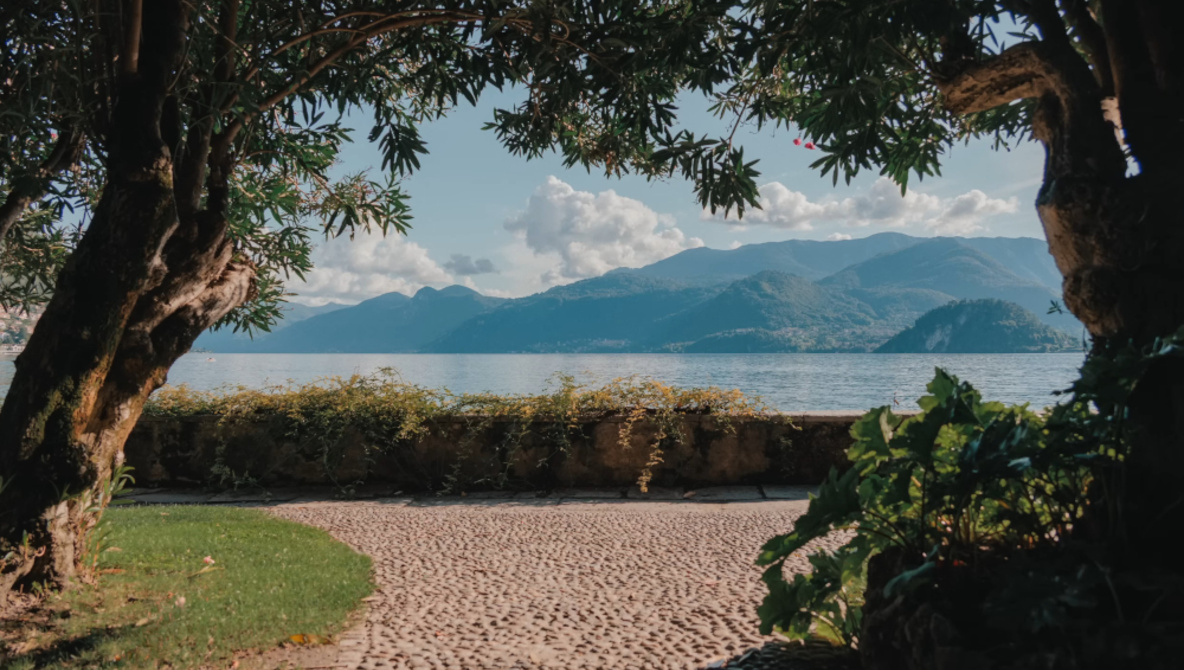
Travel photography often means unpredictable light, crowded streets, and fleeting moments that don’t wait for you to change lenses. A single lens that covers nearly every focal length you might need can change how you shoot on the road. That’s where super zooms come in, offering reach and flexibility without the stress of juggling multiple lenses.
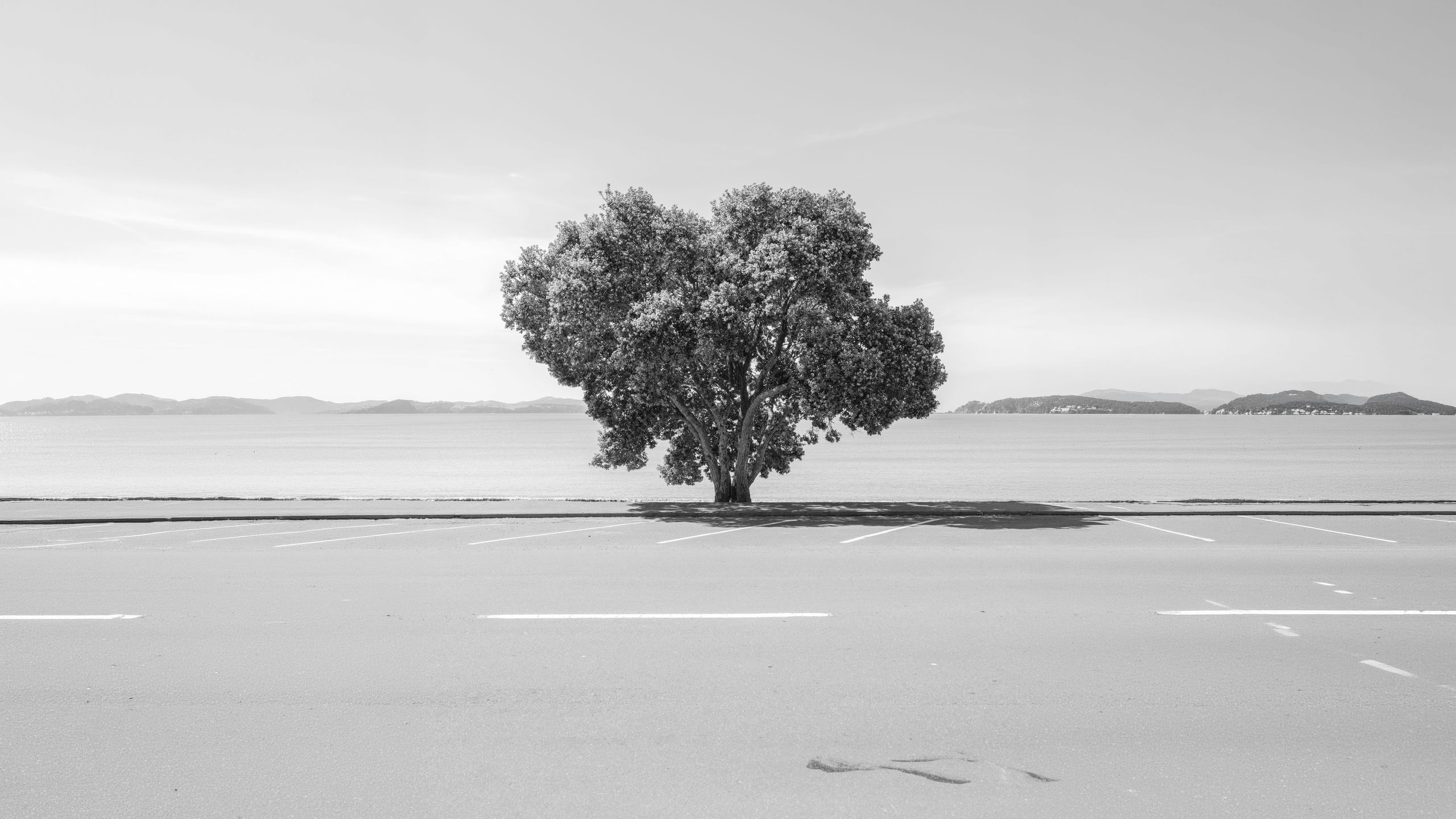
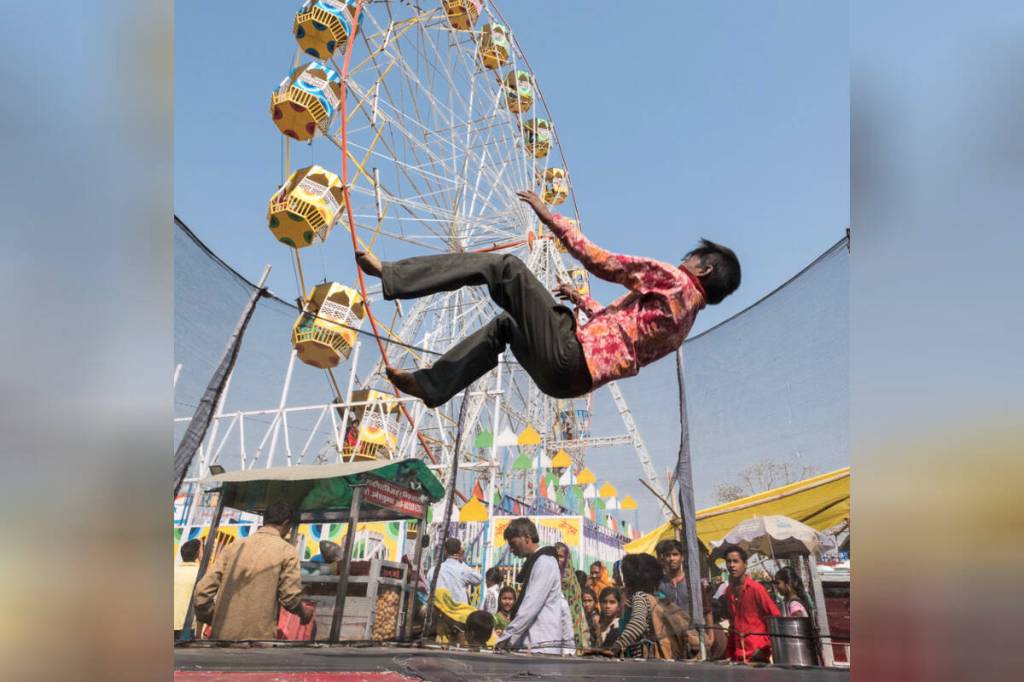
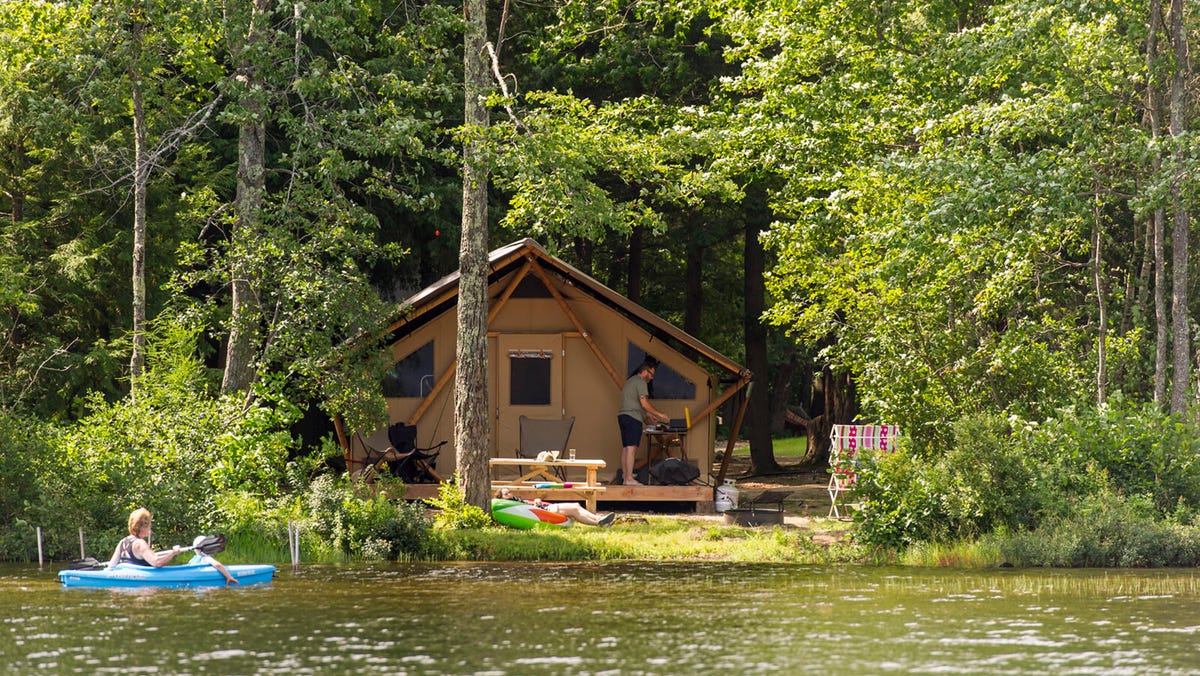
Coming to you from James Reader, this practical video takes a close look at the Canon RF 24-240mm f/4-6.3 IS USM lens. Reader shows how it handles both sweeping landscapes at 24mm and compressed shots at 240mm, all in one lens. That range makes it a tempting option if you’re used to carrying both a 24-70mm and a 70-200mm on trips. The tradeoff is the slower aperture, which means you can’t always rely on shallow depth of field. Instead, Reader leans on composition instead to create separation. This approach gives more environmental context to your subjects, which can often tell a stronger travel story.
The video also compares the RF 24-240mm to Canon’s popular RF 24-105mm f/4. That lens is a travel staple for many, but the extra reach of the 240mm gives you a flexibility that a standard zoom can’t match. Reader demonstrates situations where that reach meant capturing fleeting shots he would have otherwise missed. At the same time, he points out that you’ll need decent light to make full use of the lens. Its variable aperture limits low light performance, but the built-in image stabilization helps keep handheld shots sharp, especially at the wide end.
Key Specs
-
Focal Length: 24 to 240mm
-
Aperture: Maximum f/4 to 6.3, Minimum f/22 to 36
-
Minimum Focus Distance: 1.64′ / 50 cm
-
Image Stabilization: Yes
-
Filter Size: 72mm
-
Dimensions: ø: 3.2 x L: 4.8″ / ø: 80.4 x L: 122.5 mm
-
Weight: 1.65 lbs / 751.26 g
Reader doesn’t shy away from the lens’ flaws. Sharpness holds up well across most of the zoom range but does soften at the long end, especially at the edges. The lens also relies heavily on digital corrections for distortion and vignetting, particularly at 24mm. Chromatic aberrations and flare can show up in difficult light, though Reader notes these issues are common even in more expensive lenses today. Build quality is solid, but there’s no weather-sealing, making it a less reliable choice in wet or unpredictable climates.
When it comes to portraits, the slower aperture limits background blur at mid to long focal lengths. But as Reader points out, that can actually be a strength for environmental portraits, where showing off the surrounding location adds to the image. He demonstrates how using longer focal lengths can compress a background into the frame, making landmarks feel closer and more dramatic. Check out the video above for the full rundown from Reader.
link