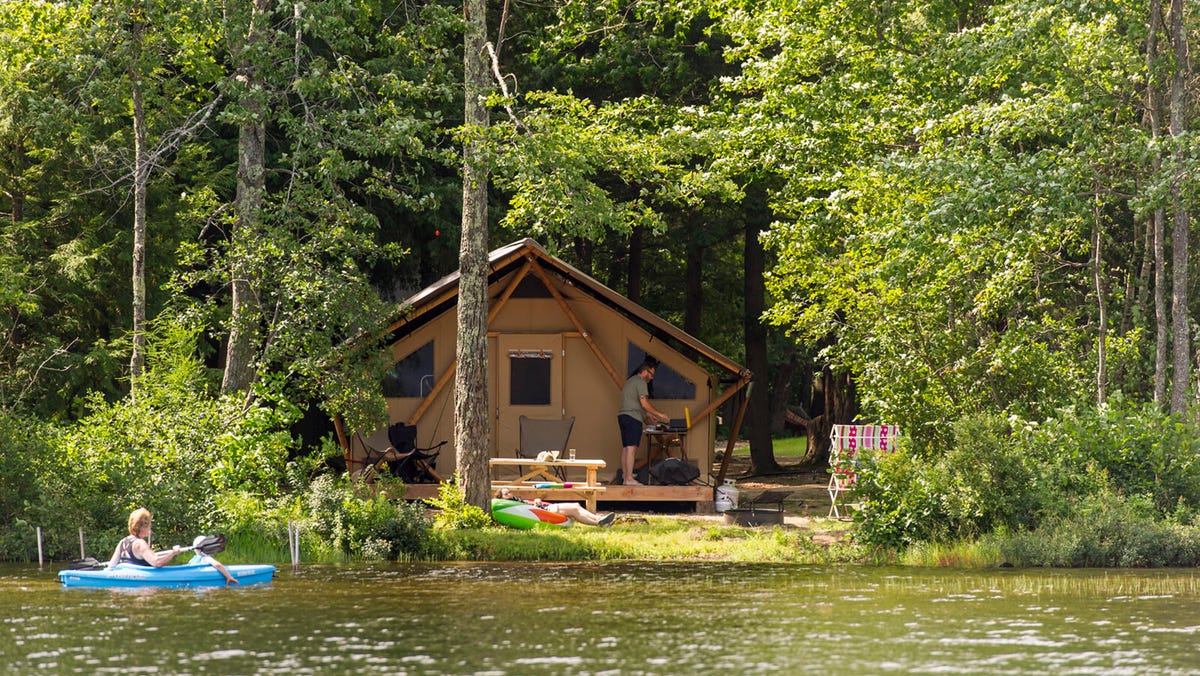
Work-and-play hybrid vacations redefine family travel | National

About 72% of Americans plan work-and-play hybrid vacations, combining work duties with time to unwind. Many families are adopting this setup, with parents taking calls from rental homes, coworking spaces and even mountain resorts before joining their kids for outings or shared meals. The shift is turning family travel into longer getaways that keep paychecks steady while giving families more quality time together.
Hotels, resorts and co-living spaces are adjusting to meet these new demands, adding setups that make it easier to work and relax in the same place. As a result, this model is emerging as a new standard for organizing family travel, offering flexibility without losing connection.
Why hybrid vacations are rising
Travel companies expect a 24% increase in planned trips for the year ahead compared with 2024, with a larger share tied to hybrid vacations. The expansion of remote work since the pandemic has made it easier for families to stay on the road without stepping away from professional duties. What once was a short break often becomes a longer stay where work and leisure overlap.
This trend combines professional commitments with personal time in ways that differ across households. Some workers take calls from coworking spaces or rental homes, while others manage projects from mountain resorts or coastal rentals. Digital tools and stronger connectivity make it possible to stay productive almost anywhere, allowing parents to join meetings while still carving out time for family activities.
Perks of hybrid travel for families
Families are finding that hybrid vacations make travel more flexible and rewarding. Remote jobs let parents extend their stays, turning quick weekends into longer trips with a slower pace. Shoulder season often suits these getaways, with accommodation setups and coastal properties providing space for both work and family time.
Balancing job demands with leisure has also reshaped family routines. Parents can take calls during the day and still join their children for outings, meals or evening walks. Travel costs go further without the need for extra leave, and shared time in new settings strengthens bonds while exposing kids to new cultures and activities. For many households, this balance has turned vacations into less hurried and more meaningful stays.
How the industry is responding
Some hotels and resorts are adapting to the rise of hybrid vacations by rethinking how their spaces accommodate families. Many properties now feature dedicated areas for remote work alongside rooms designed for children, giving parents a practical way to manage both roles during a trip. Extended-stay brands are also creating packages that combine fast internet with activities and services that keep kids engaged while parents log on for the day.
The growth of co-living and coworking retreats adds another layer, providing families with the opportunity to join communities where work and leisure seamlessly blend. These setups combine shared offices, flexible housing and group activities, creating options that make longer trips easier to plan and sustain.
Changing family travel habits
Travel habits in 2025 are moving toward longer stays that allow work and family time to run side by side. Many households now arrive midweek so parents can finish tasks remotely, leaving more room to enjoy weekends without rushing. Instead of heading home right after Friday deadlines, families often check out on Monday, turning trips into more relaxed, less hurried breaks.
These extended stays are shifting the focus from quick sightseeing to experiences that feel more meaningful. Families are setting aside time for outdoor activities, wellness routines and simple moments that support both productivity and downtime. The result is travel that feels balanced, giving parents the structure they need for work while letting children explore new places without a packed schedule.
Future outlook for family travel
The blending of work and leisure is setting new expectations for how families plan trips. Parents now look for destinations with strong internet and reliable spaces, along with opportunities for children to stay active and engaged. Resorts, hotels and rental properties are responding by testing flexible packages that balance both needs.
Looking ahead, the mix of professional obligations and family priorities is likely to influence how vacations are designed. Travel that supports both productivity and shared downtime points to a model where households can spend more time away without giving up either responsibility or recreation.
Zuzana Paar, a co-founder of Food Drink Life, is a seasoned traveler and writer who has explored 62 countries and lived in St. Lucia, Dubai, Vienna, Doha and Slovakia. Her work has been featured on Fox News, New York Daily News, MSN and more; she has also appeared live on Chicago’s WGN Bob Sirott Radio Show. When she’s not discovering new destinations, she shares travel tips and insider insights to help others experience the world in a unique and unforgettable way.
The post Work-and-play hybrid vacations redefine family travel appeared first on Food Drink Life.
link