Why Are More Travelers Choosing Adventure-Focused Stays Over Classic Luxury Hotels? All You Need to Know

Published on
September 22, 2025

For a long time, Dubai and other parts of the GCC region, particularly AlUla, have been renowned for their luxurious resorts. The towering, high-end hotels in Dubai and the world-famous AlUla heritage sites attracted travelers who sought prestige, luxury, and exclusivity. These destinations have long been magnets for those looking for opulence and indulgence. However, the dynamics of global tourism are shifting. Travelers’ priorities have changed dramatically over recent years. While traditional luxury still holds appeal, many visitors now prefer authentic experiences that bring them closer to nature, culture, and adventure. This growing trend has given rise to a new type of travel hospitality: adventure-driven tourism.
Changing Traveler Preferences and Global Shifts
The travel industry has seen a rapid shift in what travelers expect from their experiences. According to a 2024 survey by the World Travel & Tourism Council (WTTC), around 70% of global travelers now prioritize experiences over the pursuit of material luxury. This transition is mainly driven by Millennials and Gen Z, who now represent the majority of travelers. For these groups, comfort and high-end amenities are no longer enough; what matters most is an opportunity to connect deeply with the places they visit. This change has led to the rise of adventure-driven hospitality, where accommodations are integrated with access to outdoor and cultural experiences.
Traditional Resorts: Strengths and Limitations
Traditional luxury resorts in the GCC region continue to lead the market by providing top-tier service, unparalleled luxury, and ease of access. These resorts are particularly known for their prestige, fine dining, and seamless service. However, as travel preferences evolve, many travelers feel that these resorts lack authenticity. While they offer an indulgent and comfortable experience, they often fail to engage guests in meaningful interactions with the land, people, or culture surrounding them. This issue is especially significant in regions like the GCC, where the local landscapes—deserts, mountains, and coasts—are integral to the area’s identity. Guests at traditional resorts may leave feeling pampered but disconnected from the unique elements of the destination.
Expectations of Modern Travelers
Today’s travelers are looking for more than just luxury; they want authentic connections with the places they visit. The focus is shifting toward experiences that allow for greater interaction with the local nature and culture. The evolving demands of travelers include:
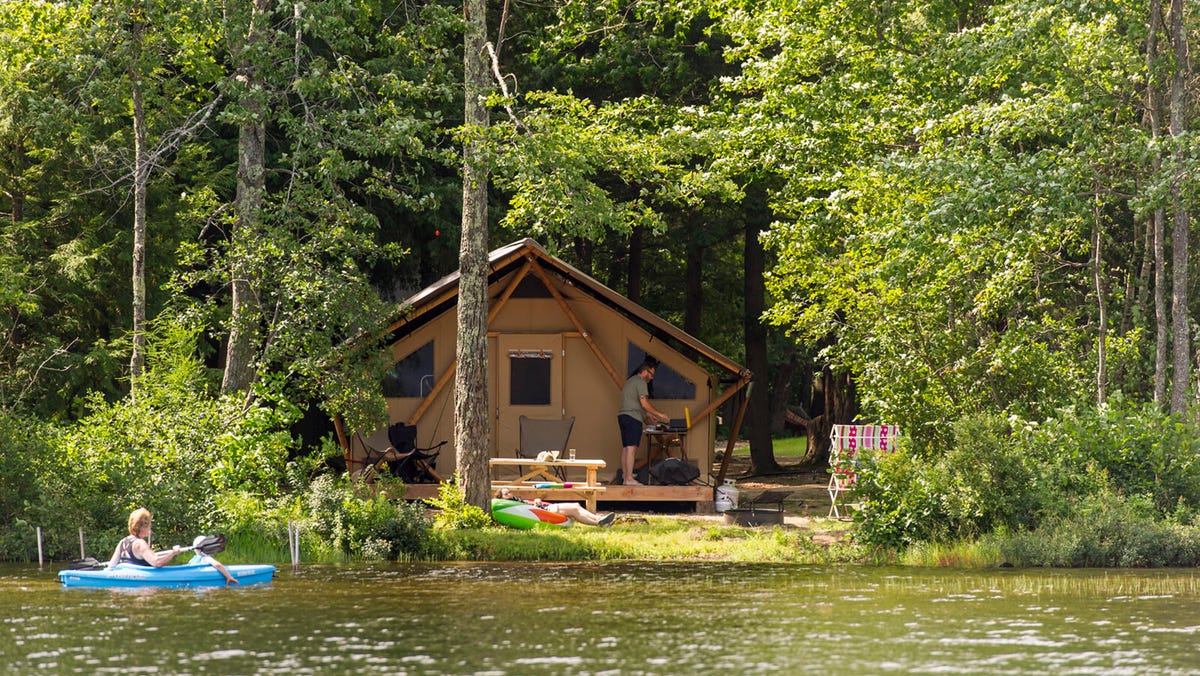
- Immersion in Nature: More and more travelers are seeking an immersive experience in nature, whether it is glamping under the stars or staying in eco-lodges with scenic views of mountains, forests, or deserts. Nature is becoming a core aspect of travel.
- Adventure at the Doorstep: For modern travelers, activities such as hiking, biking, ziplining, and water sports are no longer just fun add-ons but essential parts of the experience. These outdoor activities are integrated into the overall travel experience, offering guests immediate access to adventure.
- Cultural Storytelling: Guests today want their accommodations to reflect local culture. This includes staying in places with heritage-inspired designs, participating in locally guided tours, and experiencing authentic regional cuisine. Travelers increasingly desire to immerse themselves in the rich history and traditions of the places they visit.
- Sustainability: With growing concerns over environmental impact, travelers are more eco-conscious. They expect their accommodations to adhere to sustainable practices, including the use of renewable energy, low-impact building designs, and transparent efforts to minimize the environmental footprint.
- Quiet Luxury: Modern luxury now emphasizes wellness, relaxation, and mindfulness. Wellness retreats, stargazing, and mindfulness rituals are now integral to the luxury experience. Travelers expect to connect with both nature and themselves during their stay.
These changing expectations reflect a broader trend toward adventure-driven hospitality—a shift that goes beyond traditional luxury to offer deeper, more meaningful experiences. For the modern traveler, these elements are no longer optional; they have become integral components of a memorable trip.
What is Adventure Hospitality?
Adventure hospitality goes beyond offering mere accommodation near natural landscapes. It combines the thrill of adventure with the comfort of high-end accommodations, creating an experience where guests can engage deeply with their environment while still enjoying modern comforts. This type of hospitality offers a unique blend of outdoor immersion and comfort. Examples of adventure-driven hospitality include:
- Mobile Overland Journeys: These self-guided van journeys provide the flexibility to explore remote areas at one’s own pace, offering travelers a unique way to experience nature up close.
- Trekking & Huts: Multi-day treks or biking trails link remote areas, allowing travelers to explore pristine landscapes while staying in huts or eco-lodges along the way.
- Adventure Lodges: Modular, eco-friendly retreats are designed to blend comfort with outdoor immersion. These retreats allow travelers to experience nature without compromising on luxury or comfort.
- Basecamps: These high-energy hubs cater to families, groups, and fitness enthusiasts, offering access to various outdoor activities like hiking, biking, and water sports.
Each of these options integrates design, local culture, and adventure to ensure that guests don’t merely stay at a location—they actively participate in the experience. The goal is to create a seamless connection between accommodation and the surrounding environment, allowing guests to feel that they are truly part of the destination.
Adventure Hospitality and Traditional Resorts: Complementary Models
Adventure hospitality doesn’t seek to replace traditional luxury resorts. Instead, it complements them by offering a more immersive and nature-driven experience. Destinations that provide both traditional luxury resorts and adventure-driven options can cater to a wider range of travelers. Those seeking opulence and relaxation can still enjoy the elegance of a traditional resort, while those in search of nature and adventure can opt for adventure-driven experiences.
It’s essential to note that adventure hospitality is more than simply adding a few adventure activities to a hotel’s offerings. This model focuses on creating entire experiences where the local landscape, culture, and activities are interwoven into the guest’s journey. In true adventure hospitality, the accommodation isn’t merely a place to rest—it’s an integral part of the experience that immerses guests in the destination’s spirit from the very beginning.
Strategic Benefits for Investors and Policymakers
The rise of adventure hospitality brings several key advantages for both investors and policymakers, making it an attractive model for growth in the travel industry. These advantages include:
- Higher Revenues: By bundling accommodation with adventure activities through “stay + play” packages, destinations can increase spending per guest, driving up overall revenue.
- Repeat Visitation: Offering unique, immersive experiences encourages guests to return, ensuring a steady stream of visitors and revenue.
- Cultural Preservation: Adventure tourism helps preserve and promote local culture. By immersing travelers in the region’s traditions and lifestyle, it fosters a deeper connection to the area, benefiting both tourists and local communities.
- Sustainability: Adventure hospitality often prioritizes the use of local resources, renewable energy, and eco-friendly practices, aligning well with sustainable tourism initiatives. This supports broader goals of sustainability and contributes to initiatives like Vision 2030 in Saudi Arabia and Vision 2040 in the UAE, which aim to promote economic diversification and environmentally responsible development.
The Future of Global Tourism
As the demand for more authentic and immersive experiences continues to grow, adventure hospitality is set to play an increasingly important role in the global tourism market. This change is expected to have far-reaching impacts on tourism destinations, particularly in regions like the GCC, where natural landscapes and cultural heritage offer immense opportunities for adventure-based tourism.
For places like Dubai and AlUla, offering both luxury resorts and adventure-driven experiences will allow them to appeal to a broader spectrum of travelers. Those in search of luxury can continue to indulge in the high-end comforts of traditional resorts, while those interested in adventure can engage with nature in more profound ways. By providing both experiences, destinations can diversify their appeal and contribute to sustainable tourism and economic diversification.
This rise in demand for nature-focused, adventure-driven experiences will likely continue to fuel investment in the adventure tourism sector, as more destinations recognize the value of catering to both luxury tourists and those seeking authentic, immersive travel.
Shaping the Future of Travel
Adventure hospitality represents a profound shift in global tourism—a change that is set to redefine how we experience the world. The growing demand for experiences that connect travelers with nature, culture, and adventure will continue to drive the evolution of the tourism industry. This shift presents exciting opportunities for destinations to offer complementary travel models—combining traditional luxury resorts with adventure-driven experiences.
Destinations that embrace this new wave of hospitality will be well-positioned to thrive in the coming years. They will not only meet the changing needs of today’s travelers but also contribute to the long-term growth and sustainability of the travel industry. This shift is not merely a trend but a transformation in the way we travel and experience the world around us. The future of tourism lies in adventure-driven hospitality, where travelers can explore the natural world and engage with local cultures in a truly meaningful way.

link