Nevada’s Evolving Tourism Landscape: Balancing Entertainment and Nature-Based Travel, Here’s What You Need to Know
Published on
November 1, 2025

Nevada is a primary destination for both favorite domestic and international tourists. Known for its diverse and gigantic land and its interesting combination of city and outdoor activities, Nevada boasts of more than 300 mountain ranges, more than 300 sunny days, and several deserts and alpine regions. Nevada has something for everyone. Every kind of tourist contributes greatly to the state economy, whether they get attracted to the Las Vegas or they visit to get the more relaxing, natural experience of Lake Tahoe. Although there are slight challenges for this state at present, it is a for sure the tourism will advance at this state will undoubtedly remain a state tourism patterns.
Nevada’s Tourism: A Key Economic Driver
Tourism has long been a significant economic contributor to Nevada, bolstering the state’s economy alongside its mining and energy industries. For many years, Nevada’s tourism sector has been a stable source of revenue, with Las Vegas, in particular, playing a major role as the global entertainment capital. While the state’s economy has diversified, with industries such as lithium mining gaining attention, tourism remains vital. This is especially true for southern Nevada, where tourism-related activities generate the bulk of the state’s revenue.
Tourism provides a wide array of economic benefits, from direct spending in lodging, food, and entertainment, to job creation and infrastructure development. However, when tourism experiences a slowdown, the effects can ripple across Nevada, impacting not just the hospitality industry but also local businesses and government revenue.
Recent Decline in Southern Nevada Tourism
In the second half of 2025, southern Nevada, primarily Las Vegas, has seen a downturn in visitor numbers. According to preliminary data, Las Vegas witnessed a 12% decrease in visitor volume compared to July 2024. This decline has affected both international and domestic travel. Specifically, fewer visitors are traveling from key international markets such as Canada, Mexico, and Europe. Domestic tourism is also down, contributing to the overall slowdown.
This dip in tourism has been attributed to a combination of factors, including economic uncertainty, higher travel costs, and declining consumer confidence. With rising costs and unemployment concerns, many potential travelers are reconsidering discretionary trips, with Las Vegas being particularly affected due to its reliance on non-essential, luxury travel. The reduction in leisure travel is significant, as tourism to Nevada contributes more than 80% of the state’s revenue, primarily driven by the southern region.
Group Travel on the Rise Despite Declining Leisure Tourism
While leisure visitation has decreased, group travel has seen a slight increase in southern Nevada. Corporate events, association meetings, and sports-related travel are up by approximately 7-8% in 2025. This rise in group travel can help offset some of the losses seen in the leisure tourism sector. Group travel is often a stabilizing factor for Nevada, as large conventions, conferences, and sports events fill hotel rooms and generate significant spending in the local economy.
For destinations like Las Vegas, group bookings are particularly valuable in the offseason, providing consistent revenue during quieter months. As these events are planned years in advance, they help ensure long-term stability for the hospitality industry, even when short-term trends fluctuate.
Northern Nevada: Growth in Group and Leisure Tourism
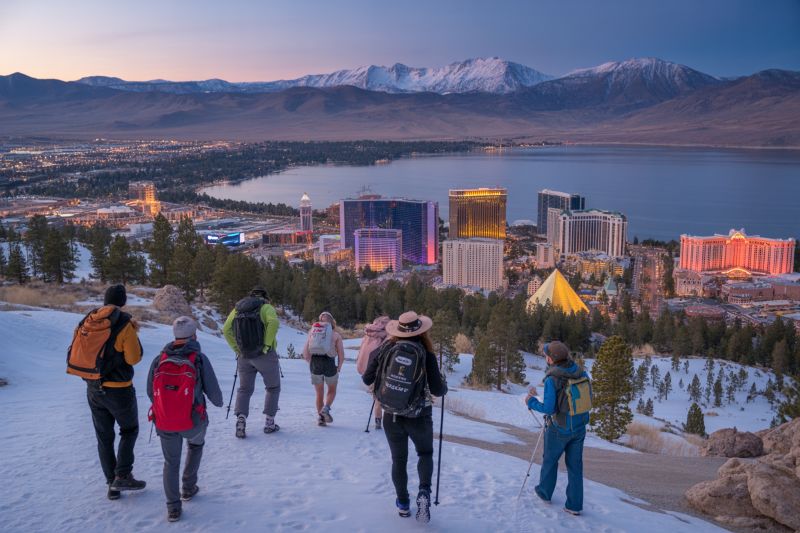
While southern Nevada is facing some challenges, northern Nevada is experiencing more stable growth in tourism. The first 60 days of fiscal year 2025 have shown an increase in group travel leads by 15% compared to the previous year. This is an encouraging sign, as northern Nevada is known for its outdoor recreational offerings, such as hiking, skiing, and biking, which attract both business and leisure travelers.
The Reno-Tahoe region, in particular, is benefiting from its proximity to California, with over 50% of its visitors coming from the Golden State. The area is a popular drive-to destination for those seeking outdoor adventures in the Sierra Nevada mountains, and the Reno-Tahoe International Airport has responded by increasing its flight access from major cities like Chicago and Atlanta. Despite the slight rise in visitation, northern Nevada continues to rely heavily on its reputation for affordable outdoor recreation to draw tourists, making it a more cost-effective option than the high-price attractions of southern Nevada.
Outdoor Recreation: A Growing Focus for Nevada Tourism
As part of efforts to diversify and enhance Nevada’s tourism offering, the state’s tourism authorities have doubled down on promoting outdoor recreation. Northern Nevada’s natural beauty, including the Truckee River and the nearby Sierra Nevada, offers opportunities for a wide range of activities, from biking and hiking to sightseeing. These activities appeal to tourists seeking an affordable yet enriching experience. In fact, outdoor recreation generates more revenue for the state than gaming outside the Las Vegas area, especially in rural regions like Washoe and Clark counties.
Tourism campaigns emphasizing outdoor activities help balance the state’s tourism mix, ensuring that Nevada remains attractive to both adventure seekers and those looking for relaxation. With growing interest in nature-based tourism, Nevada’s vast landscapes are becoming an even more appealing option for travelers, especially during off-peak seasons when other regions may be less accessible.
The Role of Professional Sports in Nevada’s Tourism Growth
The integration of professional sports into Nevada’s tourism landscape has proven to be a successful strategy for attracting new visitors. Las Vegas, already the entertainment capital of the world, has increasingly embraced professional sports as a major tourism draw. The Golden Knights, the Raiders, and the Formula 1 Las Vegas Grand Prix have all helped elevate the city’s profile as a sporting destination.
The Formula 1 Grand Prix, in particular, has had a significant impact, bringing in high-spending luxury tourists and international visitors. The event has provided Nevada with global exposure, with F1 races now taking place along the Las Vegas Strip, offering unique opportunities for tourists to experience the world’s most famous motorsport in one of the most iconic locations in the world. With events like F1 filling hotel rooms during typically slow months, Nevada’s tourism industry has gained an extra dimension of appeal for travelers interested in both sports and entertainment.
Supporting Rural Tourism Development
While Reno and Las Vegas continue to attract the bulk of tourists, rural Nevada plays an essential role in the state’s overall tourism growth. Rural areas, often overlooked, offer authentic experiences that reflect the true spirit of the American West. Travel Nevada has allocated $1.5 million to help these communities market themselves and develop strategic plans to increase tourism over the next decade.
Through targeted campaigns and partnerships, these rural areas are positioning themselves as unique destinations for travelers seeking something different from the typical Nevada experience. Whether it’s the historic charm of Virginia City or the outdoor adventures of Tonopah, rural Nevada is becoming an increasingly important component of the state’s tourism strategy.
Nevada’s Resilient Tourism Industry
Although southern Nevada continues to experience challenges with declining leisure travel, northern Nevada and rural areas are starting to diversify the state’s tourism offerings. From the thriving professional sports industry in Las Vegas to the increasing popularity of outdoor recreation in the Reno-Tahoe region, the state’s tourism industry has a lot to be optimistic about. With more investment in urban and rural tourism, Nevada will be able to keep its top tier destination status for visitors seeking fun and leisure as well as adventure and outdoor sports.
Given the state’s complex offering in historic tourism, focused sports strategy, outdoor activities, professional events, and evolving tourism, Nevada is able to maintain economic resilience. This economic diversification will, in turn, and create innovation gaps. From the tourism perspective, the state is still an exciting destination for visitors as well as a place to live for residents.

link