


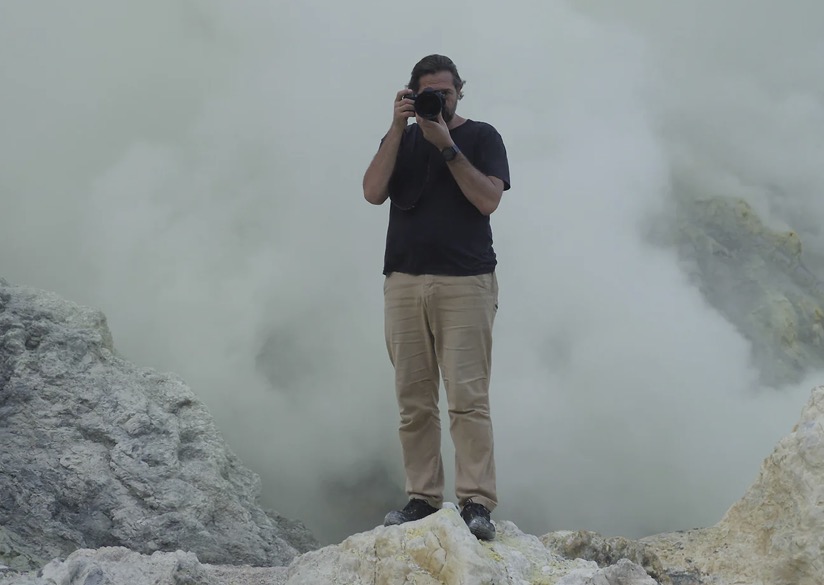
Travel photography setups differ a bit from your everyday lens setup. Usually, the best travel lenses include wider-angle and (depending on the type of trip) longer telephoto lenses. The top travel lenses are lightweight, versatile, and perform well. You never have a second chance to capture the same majestic sunrise or get an image of that pride of lions lounging together.
For photographers newer to interchangeable-lens systems, the easiest way to think about travel lenses is by role. Most kits start with a versatile zoom, add an ultra-wide lens for landscapes, and optionally include a telephoto for distant subjects like sports or wildlife. The goal isn’t maximum coverage—it’s a kit that supports the way you actually travel and shoot.
In this guide, we selected lenses that are great for travel photography, but won’t sit idle when you get home. Every lens in this guide is one that we’d put in our own camera bags.
The L-Mount Alliance brings together three prestigious manufacturers—Panasonic, Leica, and Sigma—creating an ecosystem across these manufacturers. This collaboration means L-Mount shooters have access to an exceptional range of lenses, from Panasonic’s video-focused designs with stabilization to Leica’s premium optics and Sigma’s outstanding value in their Art and Contemporary lines. The shared mount standard ensures compatibility across all three brands, giving travelers unprecedented flexibility in building their ideal kit.
L-Mount cameras excel at hybrid shooting, with many bodies offering professional video features alongside exceptional still photography capabilities. Whether you’re documenting your travels through cinematic video or capturing stunning landscapes, the L-Mount system provides the tools the travel photographer and videographer need. The mount’s robust design and extensive third-party support from manufacturers like Sigma ensure that L-Mount users can find lenses for every budget and creative need.
I have tested and shot with almost every lens in this guide, and between myself and the Imaging Resource staff, we have tested all of them.
At Imaging Resource, we’ve tested travel-friendly lenses across the L-Mount system in real-world scenarios—from street shooting and landscape hikes to on-the-go video—so you can see how they perform where it matters. For lenses we haven’t personally tested, we draw on trusted feedback from industry reviewers and working creators to ensure accuracy and fairness.
A general-purpose zoom is the cornerstone of any L-Mount travel kit, covering everything from wide landscapes to portraits. The best options strike a balance between flexibility and portability, allowing you to leave the lens on your camera all day. The classic 24-70mm range handles most travel situations, while extended zooms like the 24-105mm add extra reach for farther subjects without requiring a lens change.
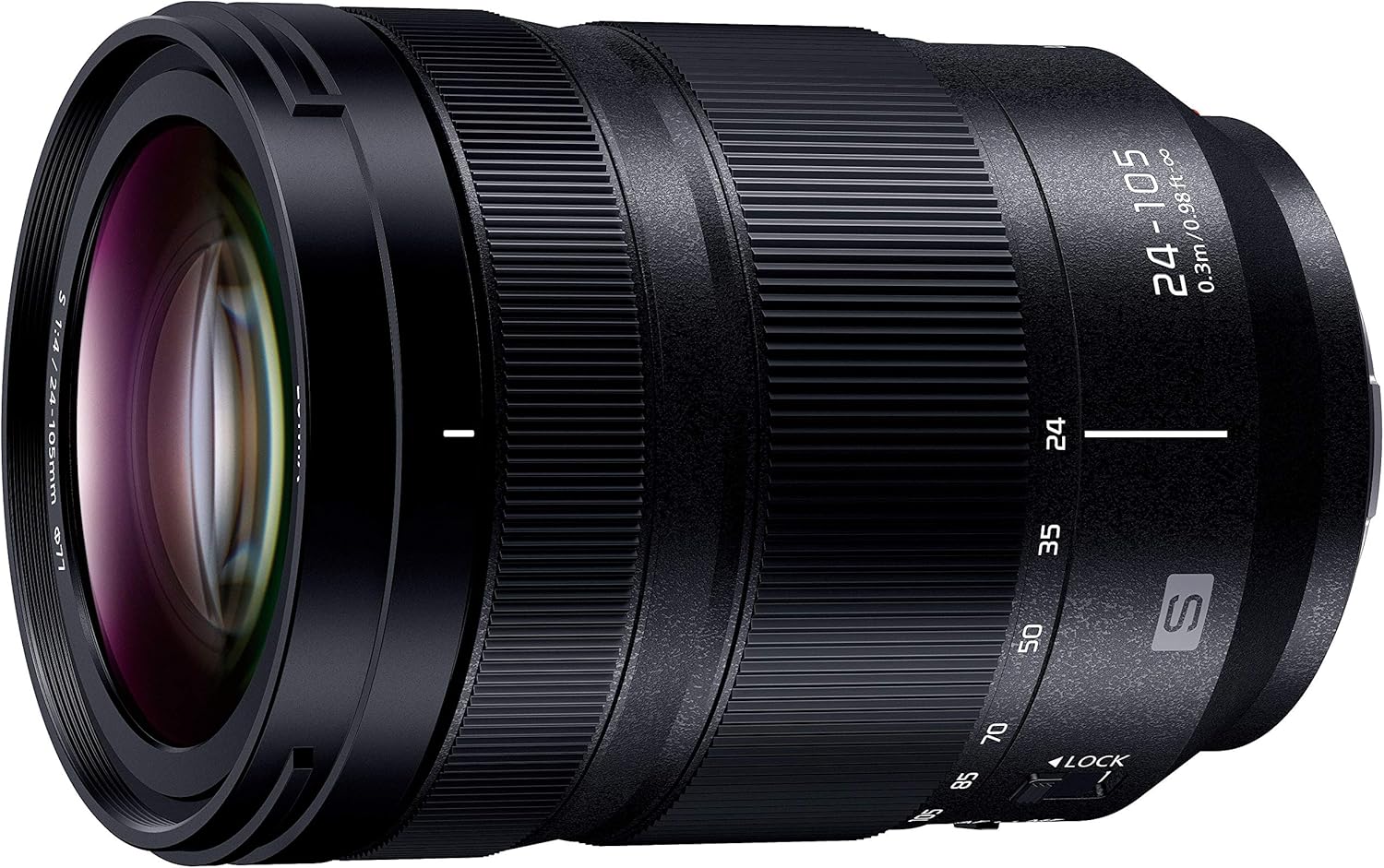
Panasonic Lumix S 24-105mm f/4 Macro OIS
The fixed aperture of this wide-to-telephoto zoom makes it a perfect choice for the photographer who wants to travel with a single lens. Many wide-ranging zoom lenses have variable apertures, which let in a lot less light at the long end of this focal length. A 24mm-105mm lens is one I always recommend to travel photographers who want to travel light but take great photos. At 24mm, this lens is wide enough for landscape, street photography, and urban scenes. Around the 50-85mm range, you get a portrait lens in the most typical focal lengths, where a more common 24-70mm can’t quite reach. At 105mm, you get a medium telephoto lens that’s good for distant architecture, or even wildlife in a pinch.
Thanks to the silent motor, I’ve used this lens on the Panasonic S5 II in the studio and in the field. The 16-element and 13-group lens has great image quality, and with weather sealing, it won’t break down on wet or snowy days. With optical image stabilization, this lens is easy to handhold without blur from shake or motion. Just under 1.5 pounds, this compact lens won’t take up too much space or weight in your bag.
This lens does double duty as it’s also a great macro lens. If your travel is going to prompt super-close images, this is a perfect tool: two lenses, one body.


What We Think
The Panasonic Lumix S 24-105mm f/4 Macro OIS is a versatile standard zoom lens for L-Mount full-frame mirrorless cameras. It features a constant f/4 maximum aperture throughout its zoom range and includes optical image stabilization that works with Panasonic’s Dual I.S. 2 system for up to 6 stops of shake compensation. The lens offers 0.5x maximum magnification with a minimum focusing distance of 0.3m (11.8 inches), making it capable of close-up photography. Its optical design includes 16 elements in 13 groups with aspherical and ED glass elements. The lens features weather sealing, a linear motor autofocus system, and a 77mm filter thread. It weighs 680g and measures 118mm in length by 84mm in diameter.
Reasons to Buy
- Macro capability
- Versatile range
- OIS stabilization
Reasons to Avoid
- Larger than some options
- Slower f/4 aperture
Specifications
- Focal length: 24–105mm
- Aperture: f/4 constant
- Aperture blades: 9 (rounded)
- Image stabilization: Yes (OIS + Dual IS)
- AF motor: Linear motor
- Weather sealing: Yes
Show more
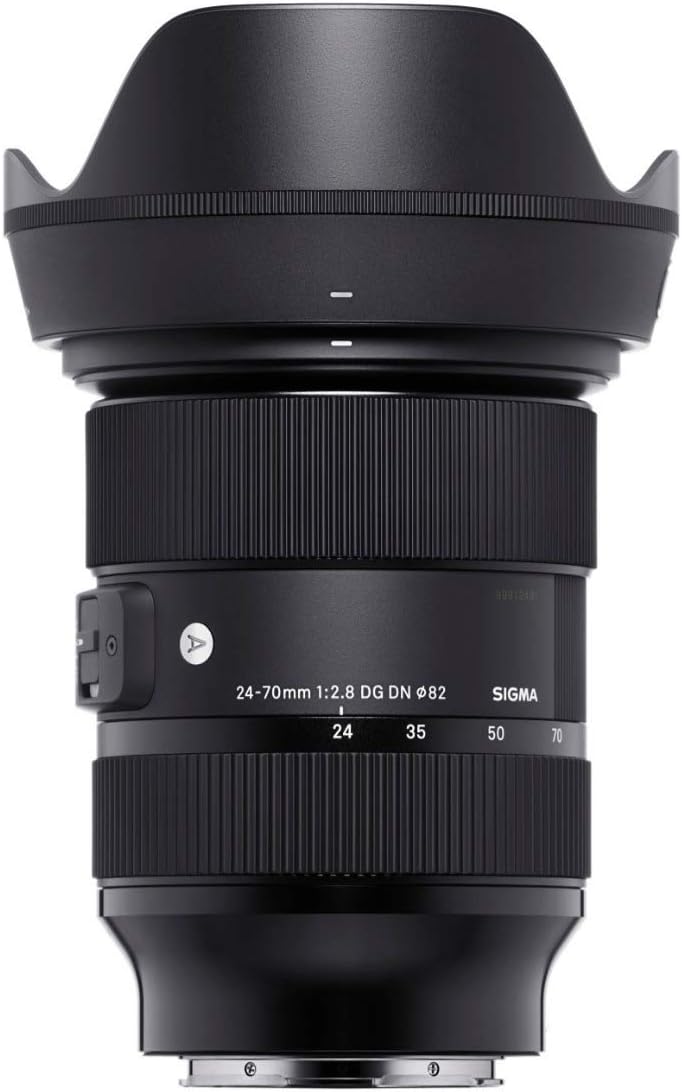
Sigma 24-70mm f/2.8 DG DN Art
I use the Sigma 24-70mm f/2.8 DG DN ART on the Sony platform, and it’s one of my favorite 24-70mm lenses. The L-Mount version is the same lens, and the f/2.8 aperture makes it an excellent choice for a photographer who wants a bit more flexibility in low light than the 24-105mm, but doesn’t need that extra reach. Inside the lens are Sigma’s excellent FLD elements, two Special Low Dispersion elements, and aspherical glass to reduce aberrations. All this is to say that the image quality from this lens is superb. Focus is fast, the image quality is amazing, and it can stand up to the drizzles and dirt that make up so many trips.

What We Think
The Sigma 24-70mm f/2.8 DG DN Art is a professional-grade standard zoom lens designed specifically for full-frame L-Mount mirrorless cameras. It features a constant f/2.8 maximum aperture throughout the zoom range and incorporates six F Low Dispersion (FLD) elements, two Special Low Dispersion (SLD) elements, and three aspherical elements to control aberrations. The lens includes an integrated stepping motor for autofocus, weather sealing with dust and splash resistance, and both Super Multi-Layer and Nano Porous coatings to reduce flare and ghosting. It features an 82mm filter thread and weighs 835g with dimensions of 87.8mm diameter by 122.9mm length for the L-Mount version.
Reasons to Buy
- Bright f/2.8 aperture
- Excellent sharpness
- Weather sealed
Reasons to Avoid
- Heavier than f/4 alternatives
- Larger size for travel
Specifications
- Focal length: 24–70mm
- Aperture: f/2.8 constant
- Aperture blades: 11 (rounded)
- Image stabilization: No
- AF motor: Stepping motor
- Weather sealing: Yes
Show more
Sigma 28-70mm f/2.8 DG DN Contemporary
While still an f/2.8 lens, the Sigma 28-70mm DG DN drops a bit of the wide-angle focal length for a lower price than the 24-70mm DG DN ART. If you’re planning to do street photography, videos of your backpacking, or photos of your favorite meals, but don’t need expansive landscapes, this is my pick. With the money you’ll save over the 24-70mm, you could even pick up an inexpensive super-wide-angle lens. While the “Contemporary” moniker means that this lens isn’t designed to have the same image quality as the ART series, I’ve been hard-pressed to see the difference in travel shoots.
Thi
What We Think
The Sigma 28-70mm f/2.8 DG DN Contemporary is a compact standard zoom lens for full-frame L-Mount mirrorless cameras. It offers a constant f/2.8 maximum aperture in a lightweight design that weighs just 470g. The optical formula includes 16 elements in 12 groups with two FLD elements, two SLD elements, and three aspherical elements. The lens features a stepping motor for quiet autofocus, Super Multi-Layer and Nano Porous coatings, and a water- and oil-repellent front coating. It has dust and splash resistance at the mount, a 67mm filter thread, and measures 72.2mm in diameter by 101.5mm in length. Minimum focusing distance is 19cm at 28mm with a maximum magnification of 1:3.3.
Reasons to Buy
- Lightweight
- Compact
- Affordable f/2.8 zoom
Reasons to Avoid
- Slightly narrower than 24–70mm
- Limited weather sealing
Specifications
- Focal length: 28–70mm
- Aperture: f/2.8 constant
- Aperture blades: 9 (rounded)
- Image stabilization: No
- AF motor: Stepping motor
- Weather sealing: Mount only
Show more
Ultra-wide zooms excel at landscape photography, architecture, and interior shots where you need to capture super-wide scenes. These lenses are key for many travel photographers because of the dramatic perspectives they produce. The wider focal lengths create a sense of scale and depth that standard zooms cannot match, making them invaluable for capturing landscapes or crowded urban scenes. They’re also especially good for wide street photography, where the street is as much of a subject as any person.
For L-Mount shooters, ultra-wide options range from affordable variable-aperture zooms to premium constant-aperture designs. The key considerations are focal length range, maximum aperture, and weight. A lens starting at 16mm or 20mm provides genuinely ultra-wide perspectives, while those beginning at 24mm offer more moderate wide-angle coverage that overlaps with standard zooms.
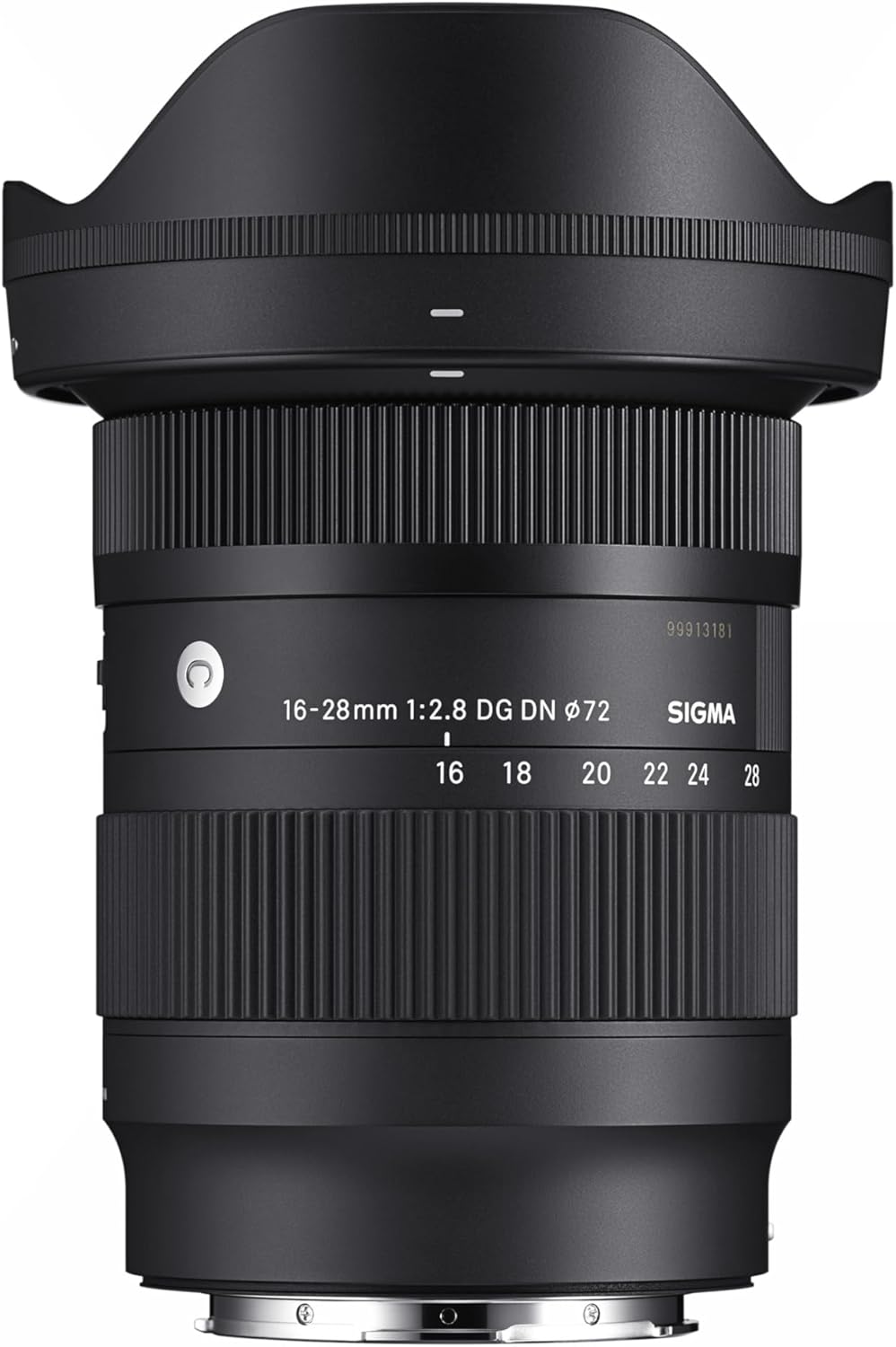
Sigma 16-28mm f/2.8 DG DN Contemporary
This is another lens that I’ve used extensively on the Sony platform and tested in L-Mount; in fact, it’s sitting on my lens shelf right now. Like the other Sigma lenses in this guide, it’s built around an impressive set of glass elements, 16 of them with 213 groups. It includes the same FLD elements, SLD elements, and aspherical elements as the 28-70mm f/2.8 Contempoary. You can think of it as a fraternal twin of the 28-70mm f/2.8 DG DN Contemporary. The price is nearly the same, the internal and external design is almost identical, and it has the same great image quality as that lens.

What We Think
The Sigma 16-28mm f/2.8 DG DN Contemporary is an ultra-wide-angle zoom lens for full-frame L-Mount mirrorless cameras. It features a constant f/2.8 maximum aperture and is designed specifically for mirrorless systems. The optical design includes 16 elements in 13 groups with three FLD elements, three SLD elements, and three aspherical elements to control distortions and aberrations. The lens includes a stepping motor for autofocus, dust and splash resistance, and measures 73mm in diameter by 100.6mm in length while weighing 450g. It has a 72mm filter thread and a minimum focusing distance of 24.8cm.
Reasons to Buy
- Ultra-wide 16mm starting point
- Constant f/2.8
- Compact size
Reasons to Avoid
- Limited zoom range
- Some distortion at 16mm
Specifications
- Focal length: 16–28mm
- Aperture: f/2.8 constant
- Aperture blades: 9 (rounded)
- Image stabilization: No
- AF motor: Stepping motor
- Weather sealing: Yes
Show more
Panasonic Lumix S 20-60mm f/3.5-5.6
I like this lens for shooters who will be capturing images in bright sunlight because of the variable aperture. The widest aperture of f/3.5 lets in less light than f/2.8, so using this in the daytime in a brightly lit cafe or building. I like this lens for ultra-wide landscapes that capture the colors and shapes of nature (or a city) where things are brightly lit. But even at f/3.5, this lens has more light gathering than the f/4 24-70mm above, so if you’re shooting landscapes, this is a better choice, and it’s less expensive to boot.

What We Think
The Panasonic Lumix S 20-60mm f/3.5-5.6 is a compact wide-angle to standard zoom lens for L-Mount full-frame mirrorless cameras. It features a variable f/3.5-5.6 maximum aperture and covers focal lengths from ultra-wide 20mm to normal 60mm. The optical design includes 11 elements in 9 groups with aspherical and ED elements. The lens includes a linear motor for autofocus, dust and splash resistance, and measures 82.6mm in length by 87mm in diameter while weighing approximately 350g. It has a 67mm filter thread and a minimum focusing distance of 0.15m at 20mm with a maximum magnification of 0.43x at 60mm.
Reasons to Buy
- Ultra-compact and lightweight
- Useful 20–60mm range
- Affordable
Reasons to Avoid
- Variable aperture
- Modest build quality
Specifications
- Focal length: 20–60mm
- Aperture: f/3.5–5.6 variable
- Aperture blades: 7 (rounded)
- Image stabilization: No
- AF motor: Linear motor
- Weight: 350 g (0.77 lbs)
Show more
Telephoto zooms bring distant subjects closer, making them essential for wildlife photography, sports, and even for capturing architectural details. For travel, the ideal telephoto balances reach with portability—you want enough focal length to capture subjects but not so much weight that you leave the lens at home. Most travel photographers find the 70-200mm or 100-400mm ranges perfect, providing sufficient magnification without the bulk of exotic super-telephotos like Sigma’s 300-600mm f/4 sports lens.
L-Mount offers excellent telephoto options from both Panasonic and Sigma.
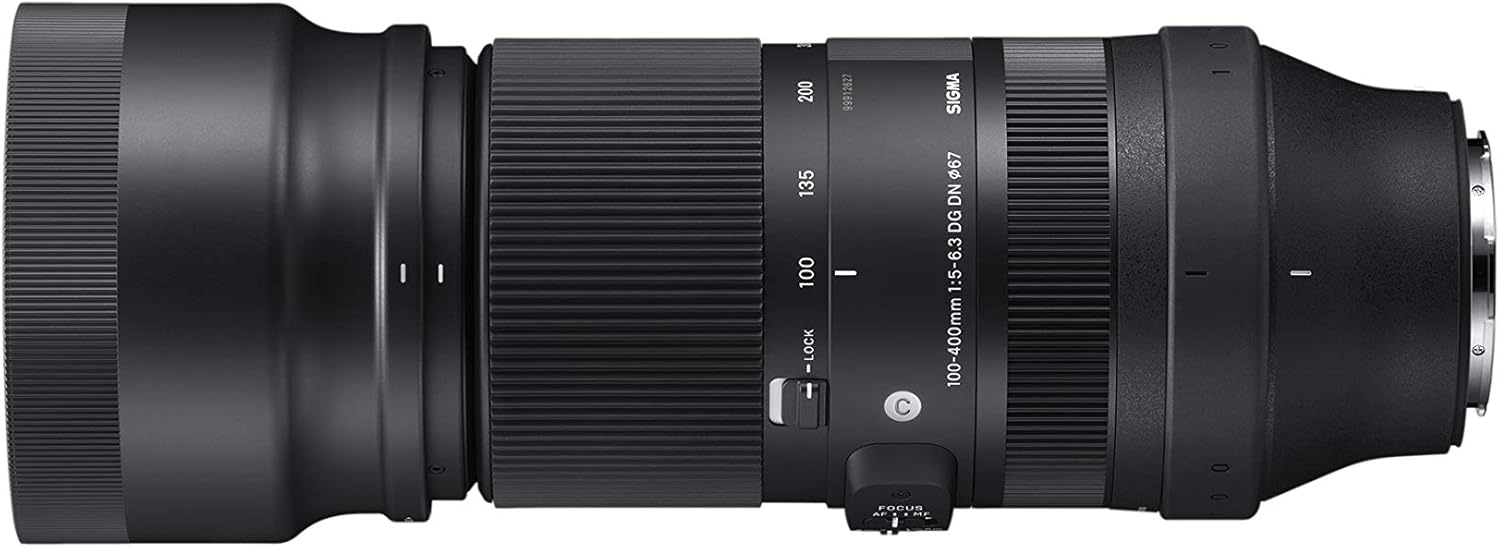
Sigma 100-400mm f/5-6.3 DG DN OS Contemporary
The Sigma 100-400mm f/5-6.3 is a lens I’ve taken to Africa on Safari, and boy, it’s a great lens. The variable aperture means that at the long end, you’ll want a nice bright subject, but I’ve easily photographed animals sleeping in the shade and owls poking their heads out of holes in trees. (That latter one is not in Africa, but in the forests by my house.) The image quality is superb. It’s a heavy lens, the tradeoff for the super-long focal length range without paying a fortune for a premium sports and wildlife lens. The built-in image stabilization makes this a handheld lens, even at the 400mm focal length.

What We Think
The Sigma 100-400mm f/5-6.3 DG DN OS Contemporary is a telephoto zoom lens for full-frame L-Mount mirrorless cameras. It features a variable f/5-6.3 maximum aperture and includes optical image stabilization. The optical design consists of 21 elements in 15 groups with one SLD element and one FLD element. The lens features a stepping motor for autofocus, dust and splash resistance, and measures 86mm in diameter by 199.2mm in length while weighing 1,135g. It has a 67mm filter thread and a minimum focusing distance of 1.6m with a maximum magnification of 1:3.8.
Reasons to Buy
- Excellent reach for wildlife
- Optical stabilization
- Relatively compact
Reasons to Avoid
- Heavier than mid-range telephotos
- Slower variable aperture
Specifications
- Focal length: 100–400mm
- Aperture: f/5–6.3 variable
- Aperture blades: 9 (rounded)
- Image stabilization: Yes (OS)
- AF motor: Stepping motor
- Weather sealing: Yes
Show more
Panasonic Lumix S 70-300mm f/4.5-5.6 Macro OIS
A really nice, affordable lens, the Lumix S 70-300mm OIS has a variable aperture, like the 100-400mm above. With f/5.6, the smallest aperture, it lets in more light than the 100-400, and is much lighter. The optical stabilization works hand-in-hand with Panasonic’s Dual I.S. 2 system, for great handholding and the ability to pan while following a subject without motion blur. It also handles close-up photos, with a minimum focal length of about a foot-and-a-half. At 1.5 pounds, it’s easy to hold, and the weight savings over the 100-400mm makes it, in my mind, a better choice for travel, unless that travel is taking you to Africa. This is another lens with macro capabilities, and again, it’s a perfect option for someone looking for a range of telephoto options, but also wants to get ultra-close to subjects.

What We Think
The Panasonic Lumix S 70-300mm f/4.5-5.6 Macro OIS is a telephoto zoom lens for L-Mount full-frame mirrorless cameras. It features a variable f/4.5-5.6 maximum aperture and includes optical image stabilization that works with Panasonic’s Dual I.S. 2 system. The lens offers 0.5x maximum magnification capability throughout the entire zoom range with a minimum focusing distance of 0.54m. The optical design includes 17 elements in 11 groups with ED and UED glass elements. The lens features a linear motor autofocus system, weather sealing, and measures 84mm in diameter by 148mm in length while weighing 790g with a 77mm filter thread.
Reasons to Buy
- Macro capability throughout zoom range
- OIS stabilization
- Versatile focal length
Reasons to Avoid
- Variable aperture limits low-light performance
Specifications
- Focal length: 70–300mm
- Aperture: f/4.5–5.6 variable
- Aperture blades: 9 (rounded)
- Image stabilization: Yes (OIS + Dual IS)
- AF motor: Linear motor
- Weight: 790 g (1.74 lbs)
Show more
Wide-angle primes deliver exceptional image quality and fast apertures for landscape, architecture, and astrophotography. Unlike zooms, primes typically offer sharper corners, better low-light performance, and more compact designs. For travel, a wide prime complements a standard zoom perfectly, providing superior optical quality when you need it most.
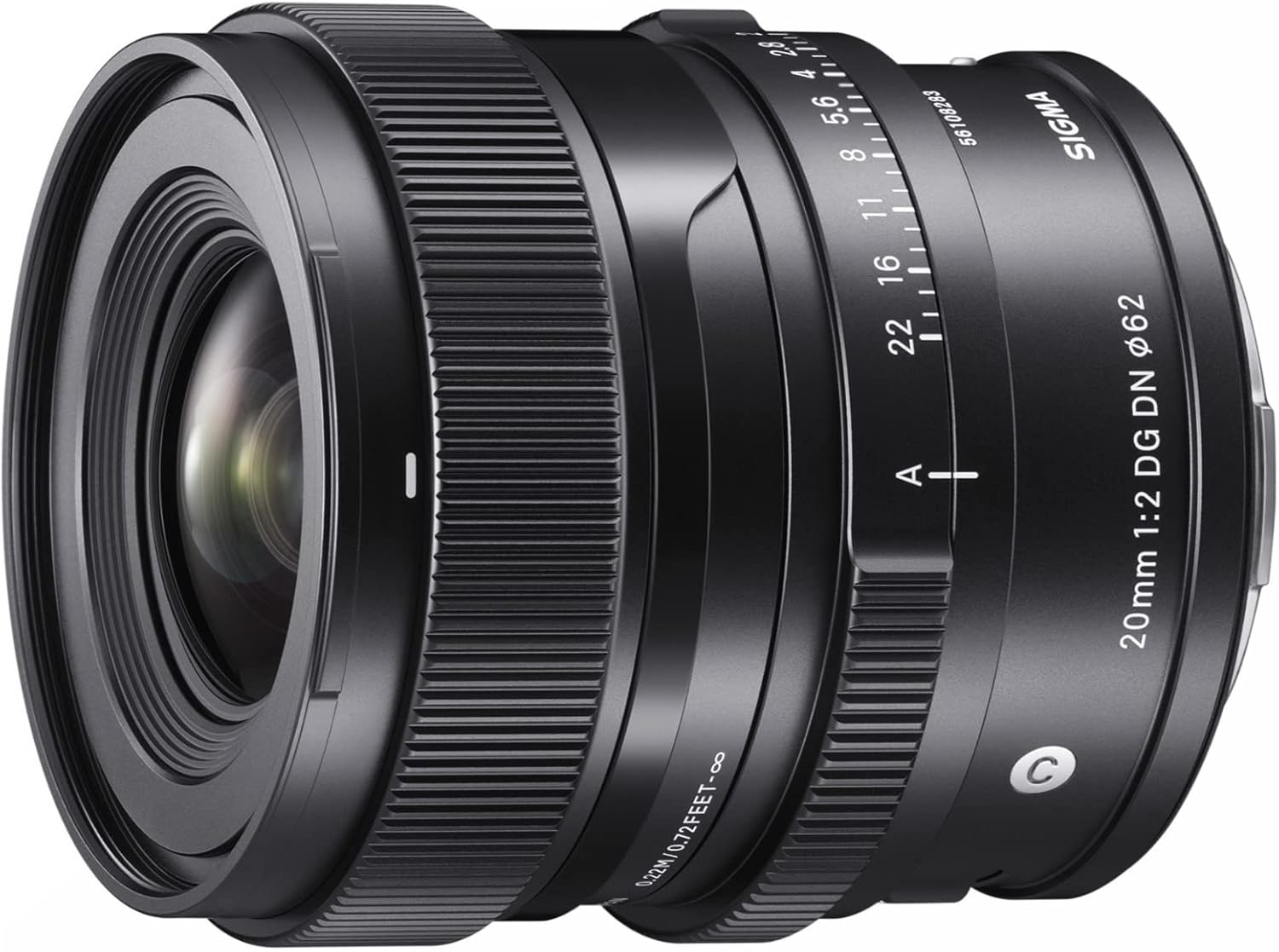
L-Mount offers outstanding wide-angle primes from both Sigma’s Contemporary line and Panasonic’s compact f/1.8 series. Sigma’s 20mm and 24mm f/2 lenses provide excellent value with professional build quality, while Panasonic’s 18mm f/1.8 offers an ultra-wide perspective with exceptional speed.
Sigma 20mm f/2 DG DN Contemporary
This is not a cheap lens, but the Sigma 20mm f/2 DG DN is one of the best values you can get for the money. At 20mm, it’s perfect for super-wide landscapes and architectural work, and it excels in low-light scenes like twilight and sunset. It’s also a great astrophotography lens, and I’ve always been happy with the astro shots it produces. It’s my second favorite astro lens on the market, with the Sony 24mm f/2.8 GM my favorite for starscapes. The lens has 10 elements in 8 groups, and two aspherical and SLD elements. The stepping motor makes focusing fast and accurate for close-ups to stars, and everything in between.

What We Think
The Sigma 20mm f/2 DG DN Contemporary is an ultra-wide-angle prime lens for full-frame L-Mount mirrorless cameras. It features a fixed f/2 maximum aperture and is designed specifically for short flange distance mirrorless systems. The optical design includes 10 elements in 8 groups with two aspherical elements and two SLD elements. The lens features a stepping motor for autofocus, dust and splash resistance at the mount, and measures 64mm in diameter by 68.8mm in length while weighing 370g. It has a 62mm filter thread and a minimum focusing distance of 24cm.
Reasons to Buy
- Ultra-wide perspective
- Compact
- Sharp across frame
Reasons to Avoid
- Some distortion
- f/2 isn’t extremely fast
Specifications
- Focal length: 20mm
- Aperture: f/2
- Aperture blades: 9 (rounded)
- AF motor: Stepping motor
- Weather sealing: Mount only
- Weight: 370 g (0.82 lbs)
Show more
Sigma 24mm f/2 DG DN Contemporary
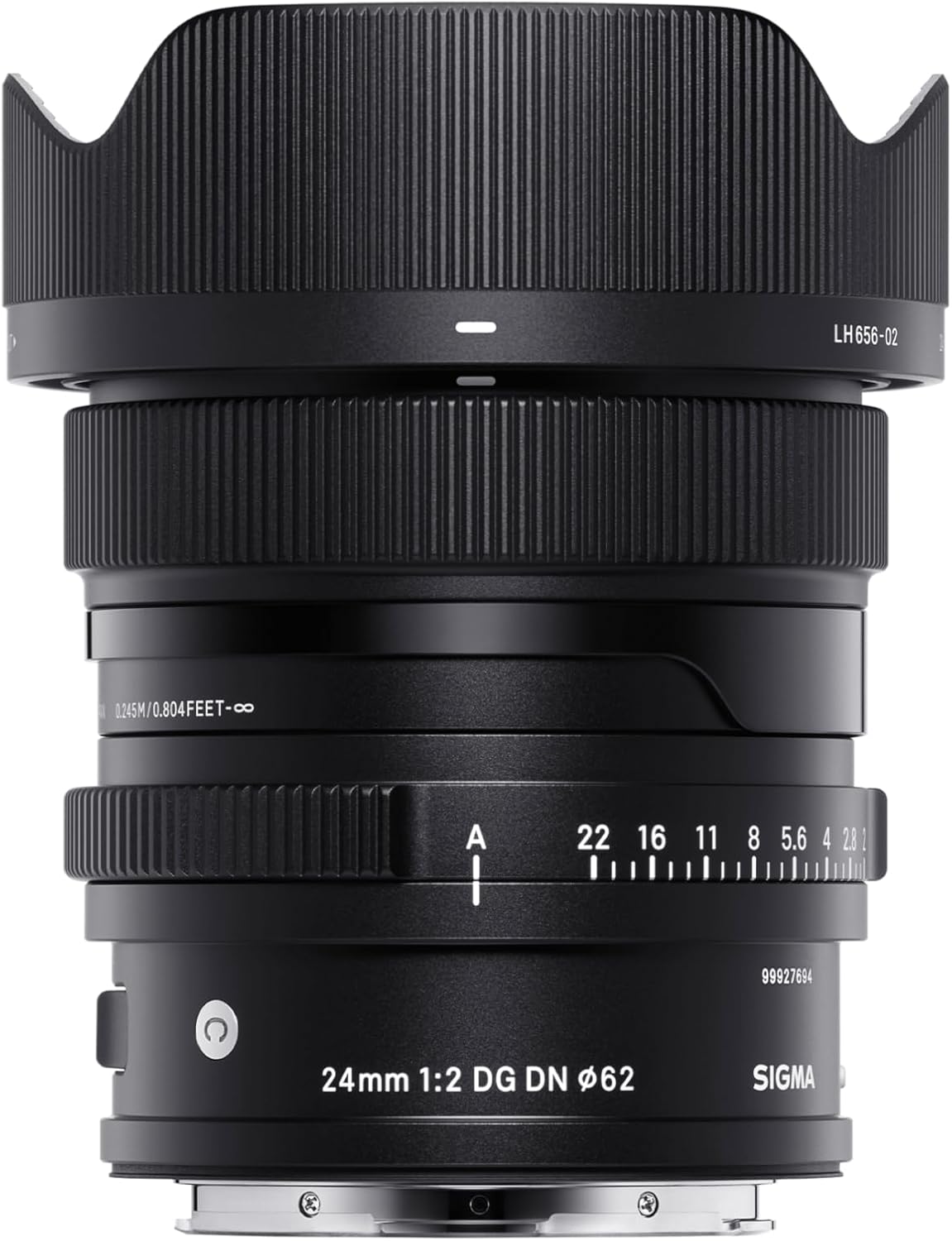
This is virtually identical to the 20mm f/2 DG DN Contemporary, with the only difference being the focal length. It’s a better choice than the 20mm if you want a wide-angle lens that doesn’t have the natural distortion found at 20mm.

What We Think
The Sigma 24mm f/2 DG DN Contemporary is a wide-angle prime lens for full-frame L-Mount mirrorless cameras. It features a fixed f/2 maximum aperture in a compact design. The optical construction includes 10 elements in 8 groups with two aspherical elements and two SLD elements. The lens features a stepping motor for autofocus, dust and splash resistance at the mount, and measures 64mm in diameter by 71.5mm in length while weighing 365g. It has a 62mm filter thread and a minimum focusing distance of 24.5cm.
Reasons to Buy
- Classic focal length
- Excellent sharpness
- Affordable
Reasons to Avoid
- Limited weather sealing
- f/2 isn’t extremely fast
Specifications
- Focal length: 24mm
- Aperture: f/2
- Aperture blades: 9 (rounded)
- Image stabilization: No
- AF motor: Stepping motor
- Weather sealing: Mount only
Show more
Panasonic Lumix S 18mm f/1.8
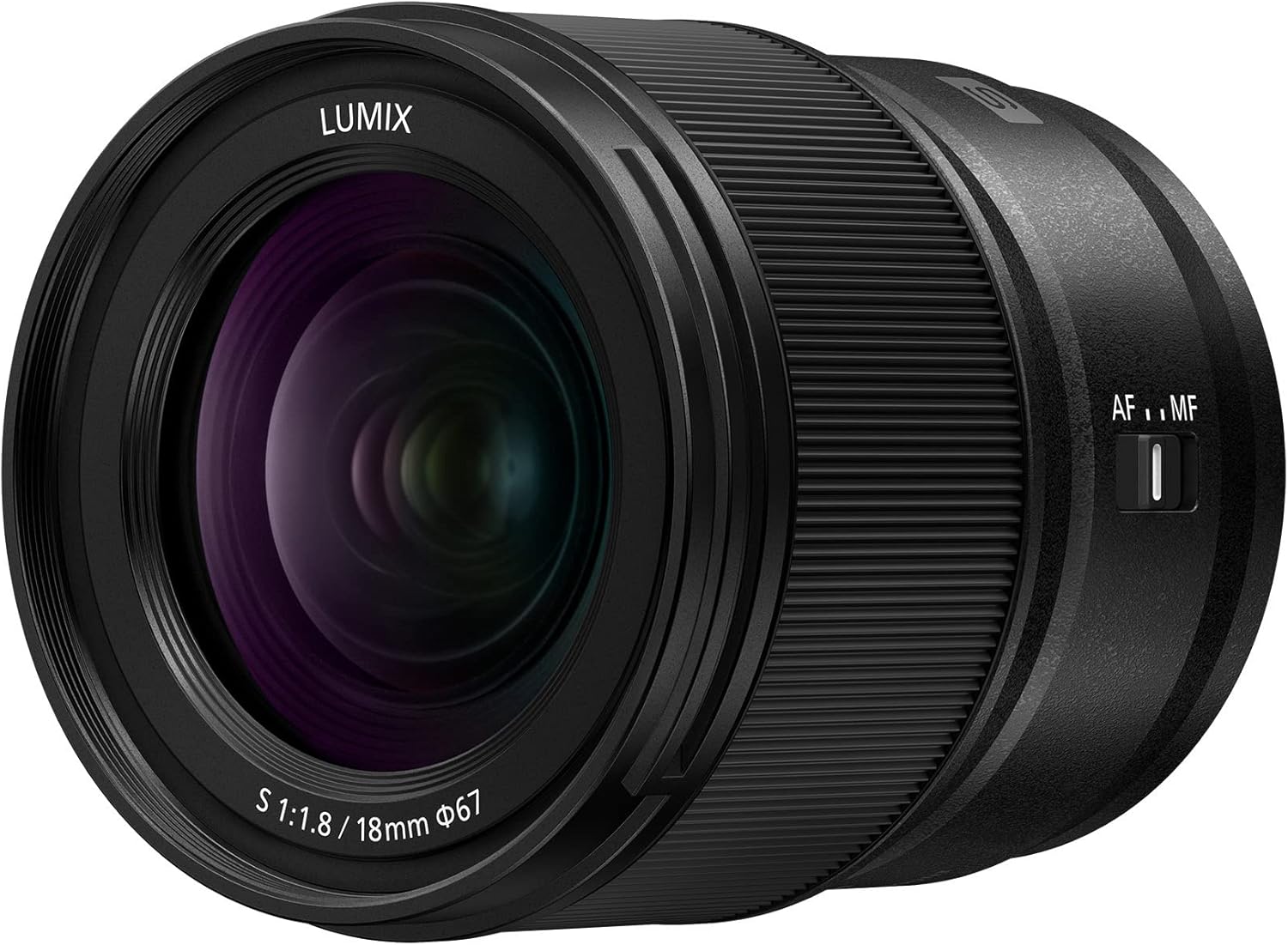
A super-wide prime lens, I think the Lumix S 18mm f/1.8 is one of the best wide-angle lenses on the market. It’s built around 13 elements in 12 groups with both aspherical and ED elements, which allows for excellent images even in very low light, and with a shallow depth of field. The edges, as is common for a super-wide, suffer a bit from distortion, but it’s very correctable in software. It’s a light, tiny lens, which is part of why I like it so much for travel landscapes. You can drop it in your bag without even noticing it.

What We Think
The Panasonic Lumix S 18mm f/1.8 is an ultra-wide-angle prime lens for L-Mount full-frame mirrorless cameras. It features a bright f/1.8 maximum aperture and is designed for landscape, architecture, and astrophotography. The optical design includes 13 elements in 12 groups with aspherical and ED elements. The lens features a linear motor autofocus system, weather sealing, and measures 73.6mm in diameter by 93mm in length while weighing 340g with a 67mm filter thread. Minimum focusing distance is 0.18m.
Reasons to Buy
- Ultra-wide 18mm
- Fast f/1.8 aperture
- Compact and light
Reasons to Avoid
- Some coma for astrophotography
- Premium price
Specifications
- Focal length: 18mm
- Aperture: f/1.8
- Aperture blades: 9 (rounded)
- Image stabilization: No
- AF motor: Linear motor
- Weight: 340 g (0.75 lbs)
Show more
Standard primes in the 35mm to 65mm range are the workhorses of travel photography. These focal lengths approximate natural human vision, making them ideal for street photography, environmental portraits, and general documentation. A fast prime in this range provides excellent low-light capability and beautiful background separation that zooms struggle to match.
For L-Mount, both Panasonic and Sigma offer exceptional standard primes. Panasonic’s f/1.8 series delivers professional performance in remarkably compact packages, while Sigma’s Contemporary primes provide even smaller designs with excellent optical quality.
Panasonic Lumix S 35mm f/1.8
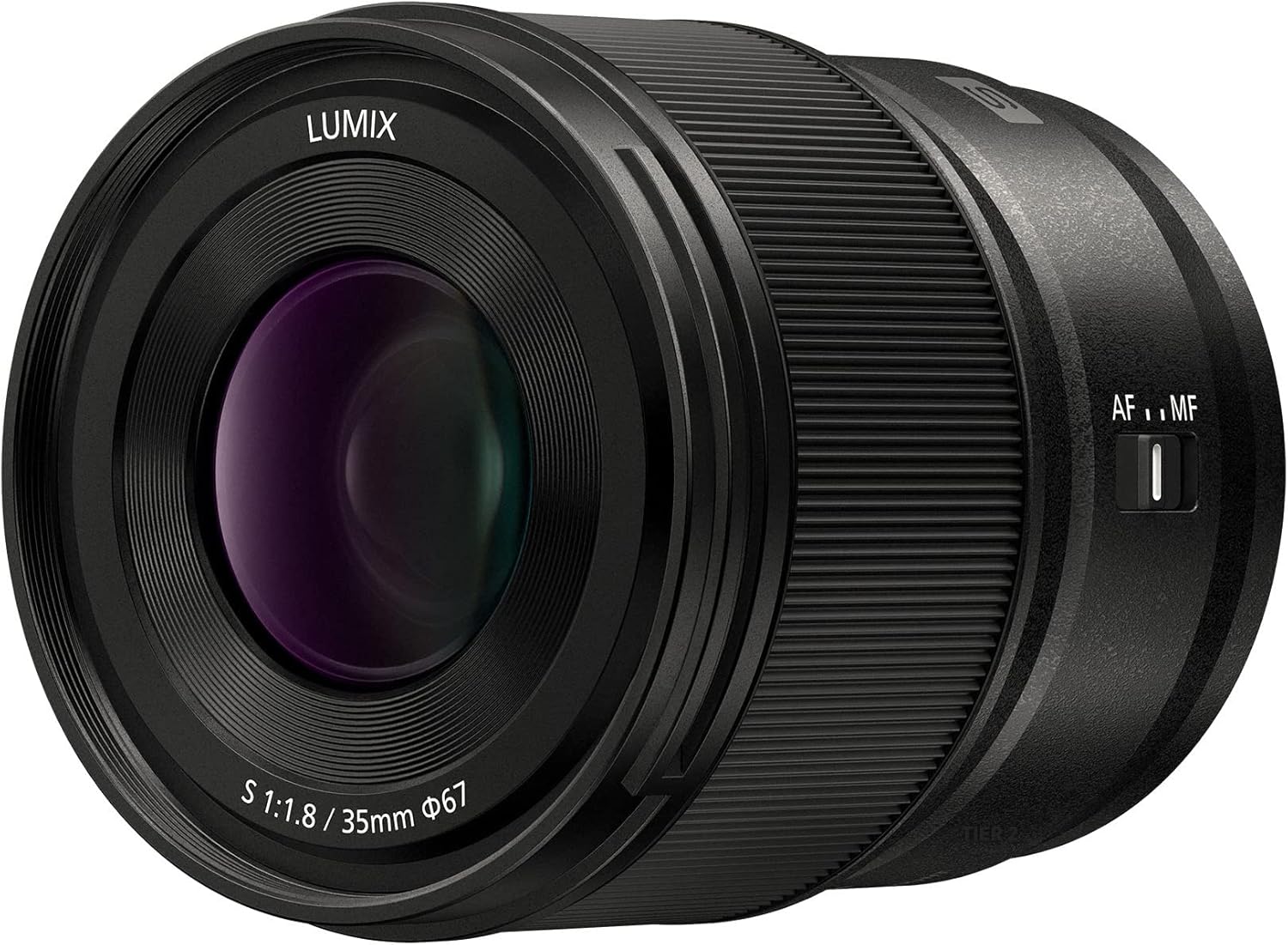
If you’re looking for a single lens for all of your travel work, the Lumix S 35mm f/1.8 and sibling 50mm f/1.8 are the choice. Both lenses are small and light. This lens has one additional element over the 50mm, likely to handle the unique needs of the 35mm focal length. The linear focus motor is fast, and while this isn’t an image-stabilized lens, the aperture and the lightweight body make it a great choice for handheld use in any lighting condition.
What We Think
The Panasonic Lumix S 35mm f/1.8 is a compact wide-angle prime lens for L-Mount full-frame mirrorless cameras. It features a bright f/1.8 maximum aperture in a lightweight design that weighs just 305g. The optical design includes 9 elements in 8 groups with aspherical and ED elements. The lens features a linear motor autofocus system, dust and splash resistance, and measures 70mm in diameter by 82mm in length with a 58mm filter thread. Minimum focusing distance is 0.24m with a maximum magnification of 0.26x.
Reasons to Buy
- Classic focal length
- Lightweight
- Weather sealed
Reasons to Avoid
- f/1.8 isn’t extremely fast
- Modest magnification
Specifications
- Focal length: 35mm
- Aperture: f/1.8
- Aperture blades: 9 (rounded)
- AF motor: Linear motor
- Weight: 305 g (0.67 lbs)
- Weather sealing: Yes
Show more
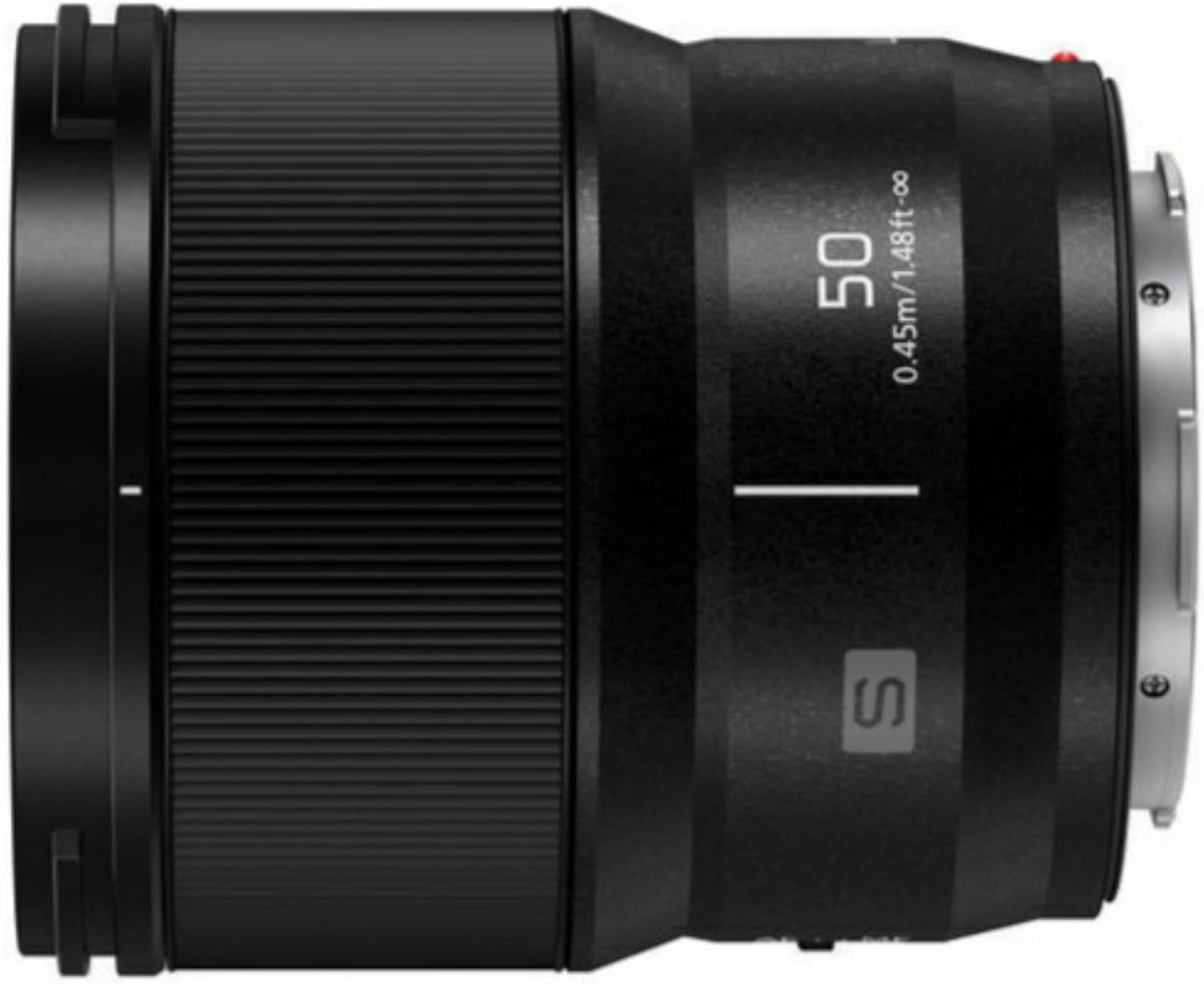
Panasonic Lumix S 50mm f/1.8
This lens is identical to the 35mm f/1.8, aside from the focal length. At 50mm, it’s one of the most traditional focal lengths for portraits, but it’s a bit long to be a single travel lens. Like the 35mm f/1.8, this lens is superb in low light.

What We Think
The Panasonic Lumix S 50mm f/1.8 is a standard prime lens for L-Mount full-frame mirrorless cameras. It features a bright f/1.8 maximum aperture in a compact, lightweight design that weighs 300g. The optical design includes 9 elements in 8 groups with aspherical and ED elements. The lens features a linear motor autofocus system, dust and splash resistance, and measures 70mm in diameter by 83mm in length with a 58mm filter thread. Minimum focusing distance is 0.36m with a maximum magnification of 0.17x.
Reasons to Buy
- Classic 50mm focal length
- Lightweight
- Affordable
Reasons to Avoid
- f/1.8 isn’t extremely fast
- Modest close-focus ability
Specifications
- Focal length: 50mm
- Aperture: f/1.8
- Aperture blades: 9 (rounded)
- AF motor: Linear motor
- Weather sealing: Yes
- Weight: 300 g (0.66 lbs)
Show more
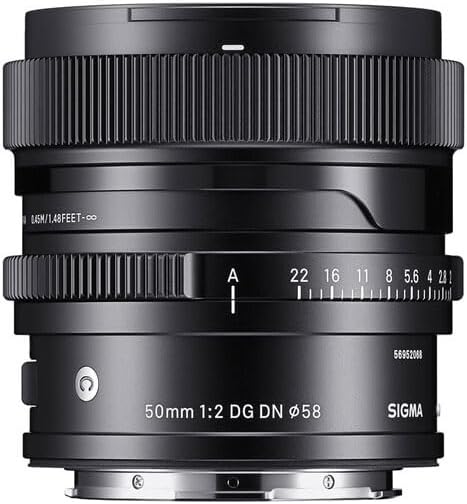
Sigma 50mm f/2 DG DN Contemporary
You can think of this as Sigma’s answer to the Panasonic Lumix S 50mm with the same focal length and only a fractionally smaller aperture. It’s a super lightweight lens, and the image quality is fantastic. I’ve used this lens quite a bit, and I’ve tested the 65mm f/2 DG DN Contemporary, and they’re both lenses I highly recommend.

What We Think
The Sigma 50mm f/2 DG DN Contemporary is a compact standard prime lens for full-frame L-Mount mirrorless cameras. It features a fixed f/2 maximum aperture in a lightweight design that weighs 240g. The optical design includes 9 elements in 7 groups with three aspherical elements and one SLD element. The lens features a stepping motor for autofocus, dust and splash resistance at the mount, and measures 64mm in diameter by 56.5mm in length with a 52mm filter thread. Minimum focusing distance is 40cm with a maximum magnification of 1:6.7.
Reasons to Buy
- Extremely compact
- Lightweight
- Sharp
Reasons to Avoid
- Limited weather sealing
- f/2 aperture
Specifications
- Focal length: 50mm
- Aperture: f/2
- Aperture blades: 9 (rounded)
- AF motor: Stepping motor
- Weight: 240 g (0.53 lbs)
- Weather sealing: Mount only
Show more
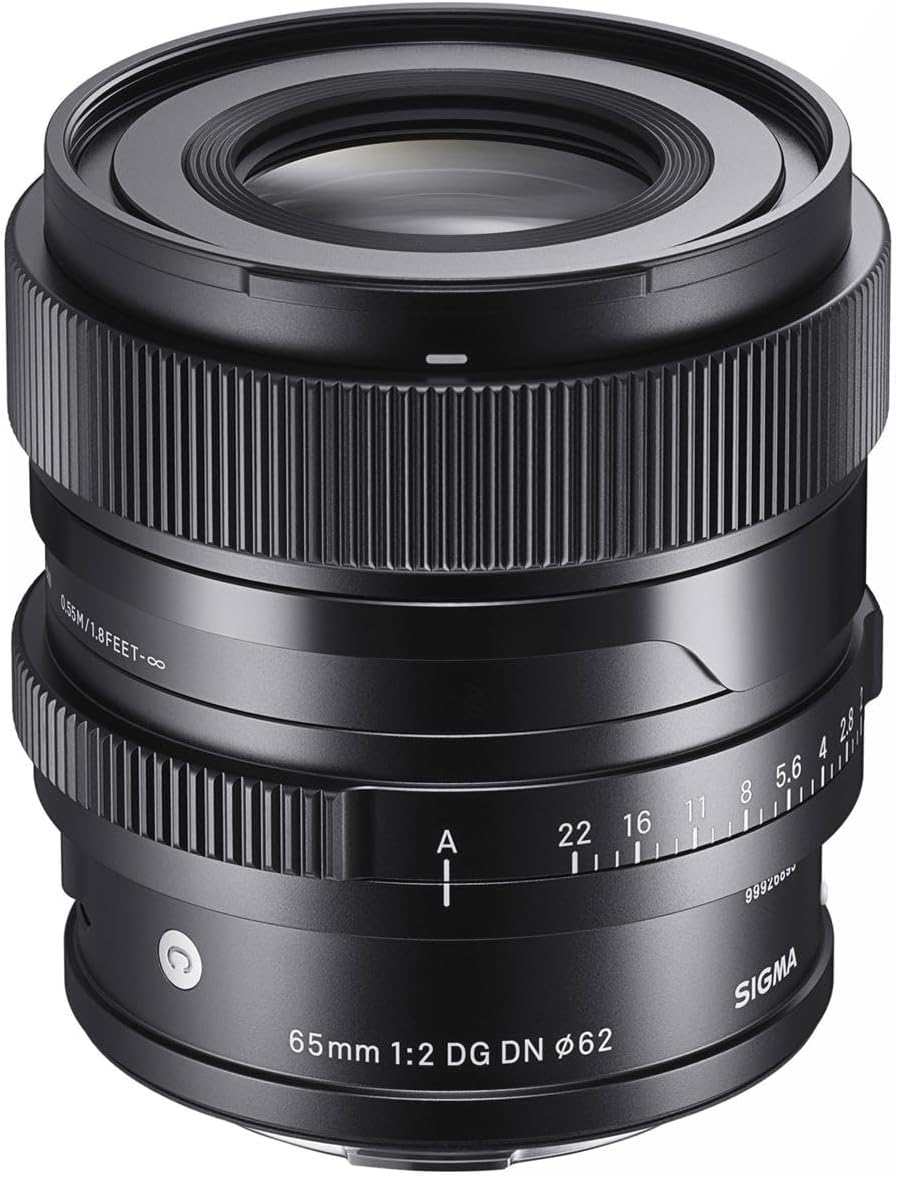
Sigma 65mm f/2 DG DN Contemporary
This is another lens that’s nearly identical to its fraternal twin. The 65mm is more portrait-oriented than even the 50mm f/2 macro. It’s another lens that’s not the one you’d grab as your exclusive travel lens, but if you’re going to encounter a lot of photogenic people on your trip, this is a better focal length.

What We Think
The Sigma 65mm f/2 DG DN Contemporary is a slightly short telephoto prime lens for full-frame L-Mount mirrorless cameras. It features a fixed f/2 maximum aperture and is designed specifically for mirrorless systems. The optical design includes 11 elements in 9 groups with three aspherical elements and two SLD elements. The lens features a stepping motor for autofocus, dust and splash resistance at the mount, and measures 64mm in diameter by 72.2mm in length while weighing 405g. It has a 62mm filter thread and a minimum focusing distance of 55cm.
Reasons to Buy
- Unique focal length
- Excellent sharpness
- Good bokeh
Reasons to Avoid
- 65mm is less versatile than 50mm
- Limited weather sealing
Specifications
- Focal length: 65mm
- Aperture: f/2
- Aperture blades: 9 (rounded)
- AF motor: Stepping motor
- Weather sealing: Mount only
- Weight: 405 g (0.89 lbs)
Show more
Short telephoto primes in the 85-90mm range are portrait specialists, offering flattering perspective compression and beautiful background separation. These focal lengths force you to step back from your subject (or can be used when you can’t step closer), creating a more natural working distance for portraiture while isolating subjects from busy backgrounds. The combination of focal length and fast aperture produces the smooth bokeh that makes portraits pop.
L-Mount portrait options include Panasonic’s affordable f/1.8 and Sigma’s compact f/2.8 macro. Both deliver professional results, with the choice depending on whether you prioritize aperture speed or close-focusing capability.
Panasonic Lumix S 85mm f/1.8
This is the classic portrait focal length. It makes subjects look a bit thinner than a 50mm lens, and the separation from foreground to background makes portraits pop. The f/1.8 aperture gives you the ability to photograph in low light or to photograph at slow shutter speeds without motion blur. Again, it’s not a lens for everyday use when travelling, but if you’re on safari or visiting family, it’s a superb lens for portraits. This is one of the best 85mm lenses today.
For travelers who demand the ultimate in optical quality and build, Leica’s native L-Mount primes represent the pinnacle of lens design. These lenses combine exceptional sharpness, beautiful rendering characteristics, and premium construction in surprisingly compact packages. While expensive, they offer performance and character that standard lenses cannot match.
Leica’s SL-mount autofocus primes provide modern convenience, while adapted M-mount rangefinder lenses offer legendary image quality for manual focus enthusiasts. Both approaches have merit for travel, with autofocus lenses providing speed and convenience while manual focus lenses deliver unmatched compactness and character.
Leica APO-Summicron-SL 35mm f/2 ASPH
More expensive than most cameras you’d bring on a trip, aside from the Leicas it was designed for, this beautiful lens produces some of the nicest 35mm images, at any price. Leica’s known for its meticulous design, and this 35mm f/2 ASPH is no exception. If you’re looking for the best 35mm lens on the market, this is it. You might need a credit line increase to afford it. Of course, if you’re a Leica shooter, this lens is relatively inexpensive.
Frequently Asked Questions About Travel Lenses
How many lenses should I bring on a trip?
For most travel situations, 2-3 lenses is the sweet spot. A versatile zoom like the Panasonic 24-105mm f/4 or Sigma 24-70mm f/2.8 DG DN Art can handle 80% of situations, with a compact prime (like the Panasonic 35mm f/1.8 or Sigma 50mm f/2) as a lightweight backup and optionally a telephoto for wildlife or sports. Bringing more lenses means more weight, more decisions, and more time swapping glass instead of shooting. Consider your trip type—street photography needs fewer lenses than a safari.
Should I prioritize weight or versatility in travel lenses?
This depends on your travel style and physical constraints. If you’re hiking extensively or have back issues, prioritize weight—a single 24-105mm f/4 beats carrying three lenses you’re too tired to use. For city travel with easy camera access, versatility wins since you’re not carrying gear for miles. The Sigma 24-70mm f/2.8 DG DN Art represents an excellent compromise at 830g, while Panasonic’s compact f/1.8 primes offer professional image quality in incredibly lightweight packages. Consider your typical shooting day to determine which matters more.
How important is image stabilization for travel photography?
For travel, stabilization is extremely valuable, especially in low-light situations where you can’t use a tripod. Most modern L-Mount cameras include excellent in-body image stabilization (IBIS), which works with any lens. Panasonic Lumix S cameras take this further with dual I.S. technology, combining lens-based optical stabilization with IBIS for exceptional steadiness—particularly valuable for telephoto work or video. Many Panasonic lenses include O.I.S. (Optical Image Stabilization) to take advantage of this system, while Sigma lenses rely on body stabilization and perform excellently on IBIS-equipped cameras.
Can I learn new focal lengths while traveling, or should I stick with what I know?
Travel is actually an excellent time to expand your focal length vocabulary, but bring one familiar lens as a safety net. If you normally shoot with a 50mm, try adding an ultra-wide 20mm for dramatic landscapes. The new perspectives will push your creativity, and travel subjects are forgiving while you learn. However, don’t experiment with completely unfamiliar focal lengths during once-in-a-lifetime moments—that family reunion in Scotland isn’t the time to figure out wildlife telephoto technique.
What makes L-Mount different from other systems?
L-Mount is unique as an alliance between Panasonic, Leica, and Sigma, meaning you have access to lenses from three manufacturers that all work seamlessly on any L-Mount camera body. This gives you unprecedented choice—Panasonic’s video-focused features and dual I.S. stabilization, Leica’s legendary optical quality and build, and Sigma’s outstanding performance-to-price ratio. The mount’s large diameter and short flange distance enable excellent optical designs, and the collaborative approach means rapid ecosystem growth compared to single-manufacturer systems.
Should I buy weather-sealed lenses for travel?
Weather sealing provides peace of mind when traveling, especially in unpredictable climates or near water. Most Panasonic Lumix S lenses and Sigma Art lenses for L-Mount include robust weather sealing that can handle light rain and dusty conditions. However, weather sealing only works if your camera body is also sealed, and you still need to exercise common sense—no lens is waterproof. For destination travel where you can’t easily replace damaged gear, weather sealing is worth the investment. Budget-oriented lenses often skip weather sealing to reduce costs.
Are Sigma lenses as good as Panasonic or Leica lenses for L-Mount?
Sigma’s Art and Contemporary lenses for L-Mount deliver exceptional optical performance that often matches or exceeds Panasonic’s native offerings, particularly in their Art line, which rivals even Leica’s optical quality at a fraction of the cost. The main differences lie in features rather than image quality. Panasonic lenses often include optical stabilization for dual I.S. compatibility and focus clutch mechanisms, while Sigma prioritizes pure optical performance and build quality. Leica lenses command premium prices for their legendary rendering characteristics and build quality, but Sigma’s Art lenses provide 90% of the performance at 40% of the cost.
What focal length is most useful for travel photography?
The 24-70mm or 24-105mm range is the most versatile for general travel, handling everything from architecture to portraits. However, ultra-wide lenses (16-35mm or 20mm primes) transform landscape photography, while telephotos (70-200mm or longer) are essential for wildlife and distant subjects. Your ideal focal length depends on your travel style—street photographers thrive with a 35mm or 50mm prime, while safari travelers need 200mm or more reach. Most photographers build around a standard zoom and add specialty lenses based on trip requirements.
link